
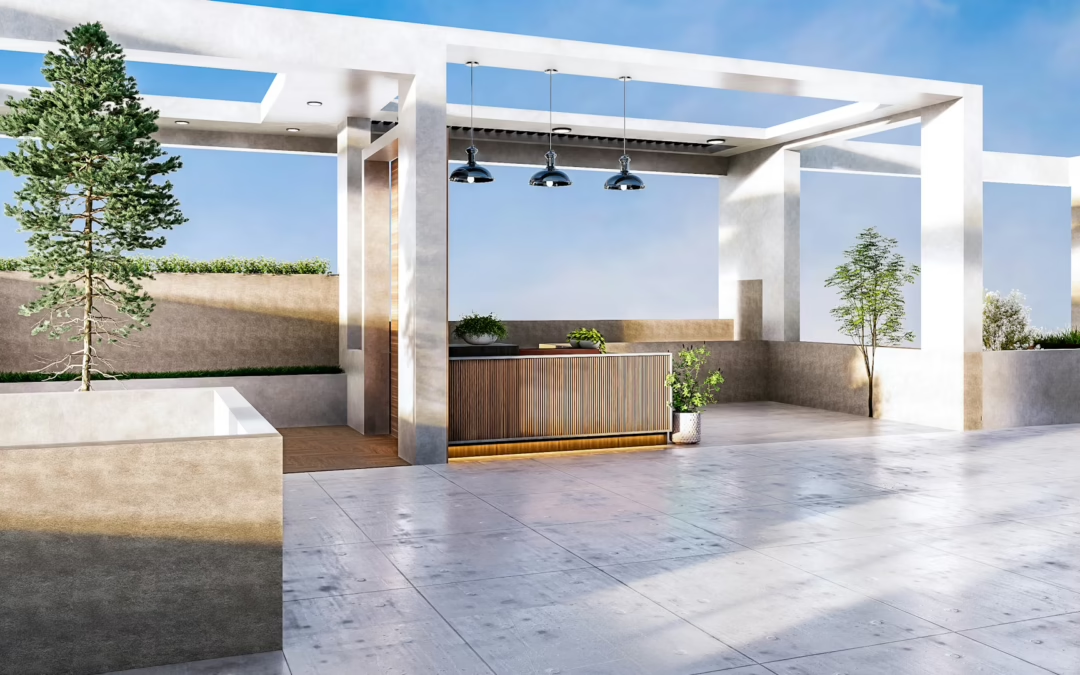
Your home should support effortless entertaining, refined outdoor living, and lasting comfort. A thoughtful outdoor kitchen design creates a functional space that fits the Southwest Florida lifestyle while elevating your property’s appeal.
At Ambiance Creations, we design outdoor kitchens with durable materials, tailored layouts, and seamless flow for year-round living. We consider coastal humidity, outdoor dining habits, and waterfront aesthetics to create spaces that feel both practical and refined.
This guide explores layout planning, weather-resistant materials, appliance selection, and long-term maintenance strategies. You’ll also discover design details that improve comfort, functionality, and long-term value for your outdoor living space.
Planning Goals and Investment
Before choosing countertops or appliances, define how you plan to use the space and what level of investment feels right for your home. These decisions guide every other part of your outdoor kitchen design.
How You Plan to Use the Space
Think about your typical week outdoors. You may grill for two on a quiet evening or host large gatherings during holidays and weekends.
Ask yourself these questions:
- Will you cook complete meals outdoors or mainly grill?
- Do you want seating where guests can gather nearby?
- Will children need extra space away from cooking zones?
- Do you plan to use the space throughout cooler seasons?
If you mainly grill and serve, a straight counter with a built-in grill and prep space may work well. If you entertain often, an L-shaped or U-shaped design with seating, refrigeration, and a sink creates a more functional setup.
Setting a Realistic Investment Range
Outdoor kitchen investments vary widely based on materials, appliances, and structural features.
| Investment Tier | Typical Cost Range | What You Get |
| Basic | $5,000 – $10,000 | Grill, compact counter, limited storage |
| Mid-Range | $15,000 – $25,000 | Grill, sink, fridge, stone or tile finishes |
| High-End | $25,000 – $50,000+ | Premium appliances, covered structure, custom finishes |
Reserve roughly 10 to 15 percent of your investment for permits, utility work, and unexpected site conditions. A smaller kitchen with high-quality materials often delivers better long-term value than a larger space built with lower-grade finishes.
Layout and Workflow
Your layout shapes how smoothly you prep, cook, and serve outdoors. It also affects guest flow and how comfortably people gather around the space.
Choosing the Right Location
Placement affects both convenience and comfort. Several practical details should guide your outdoor kitchen design:
- Keep the kitchen within 15 to 25 feet of the back door for easier access.
- Position grills so smoke moves away from seating and windows.
- Add afternoon shade to improve cooking comfort in warm weather.
- Build near existing utilities to reduce hookup costs.
Flat surfaces simplify installation. If your yard slopes, plan for grading or a raised patio early in the project.
Creating Efficient Cooking Zones
Divide the kitchen into three main zones: prep, cook, and serve. A logical flow between these spaces reduces unnecessary movement while cooking.
Common layout options include:
Linear Layout
A single-wall layout works well in compact outdoor spaces. Everything lines up along one counter for a clean, efficient setup.
L-Shaped Layout
This layout adds extra counter space and naturally separates cooking from serving areas.
U-Shaped Layout
A U-shaped design surrounds the cook with counters and storage on three sides. It works especially well for homeowners who entertain frequently.
Island Layout
An island design creates an open, social atmosphere. Guests can gather nearby while meals are prepared.
Leave at least 36 inches behind the cooking area for safe movement. If you add seating, allow enough overhang space for comfortable legroom.
Cabinetry, Countertops, and Finishes
Outdoor materials need to handle sun, moisture, temperature swings, and regular use. Durable finishes help your kitchen stay attractive with less maintenance over time.
Weather-Resistant Surface Materials
Not every indoor surface performs well outside. These materials hold up best in outdoor environments:
- Granite: Resists heat and scratches when sealed annually.
- Porcelain tile: Handles moisture and changing temperatures with ease.
- Concrete: Offers custom colors and shapes with proper sealing.
- Stainless steel: Cleans easily and performs well in harsh weather.
- Quartzite: Delivers excellent UV resistance and long-term durability.
Avoid standard quartz composite outdoors. Direct sunlight can discolor the material, and many warranties exclude exterior use.
Outdoor Storage That Lasts
Outdoor cabinetry must resist humidity, moisture, pests, and changing temperatures.
Reliable cabinet materials include:
- Marine-grade polymer: Resists water, warping, and rot.
- 304 stainless steel: Provides strength and corrosion resistance.
- HDPE: Handles UV exposure without painting or refinishing.
Standard indoor wood cabinets rarely hold up outside over time. If you prefer a wood appearance, choose outdoor-rated materials or durable polymer finishes with wood textures.
Soft-close hardware and pull-out drawers also improve convenience when handling heavy cookware and serving pieces.
Appliances and Utility Planning
Your appliances determine how you cook outdoors, while utility planning ensures everything functions properly from day one.
Selecting Grills, Refrigeration, and Sinks
The grill anchors most outdoor kitchen designs. Built-in gas grills between 30 and 36 inches work well for many households.
Additional appliance options include:
- Side burners: Helpful for sauces, boiling water, and sautéing.
- Pizza ovens: Add versatility and create a strong entertaining feature.
- Outdoor refrigerators: Handle temperature swings safely outdoors.
- Beverage coolers: Keep drinks nearby without using extra refrigerator space.
- Prep sinks: Improve cleanup and food preparation efficiency.
Choose appliances rated specifically for outdoor use. Exterior conditions can damage indoor-rated products quickly.
Gas, Water, and Electrical Needs
Licensed professionals should handle utility work and permitting requirements.
| Utility | Key Details |
| Gas | Dedicated gas lines support built-in grills and cooking appliances. |
| Water | Supply and drainage lines support sinks and cleanup areas. |
| Electrical | GFCI-protected outlets improve safety around moisture. |
Plan utility routes before installing patios, stonework, or concrete surfaces. Early planning helps avoid expensive reconstruction later.
Comfort, Lighting, and Shelter
A comfortable outdoor kitchen gets more use throughout the year. Shade, lighting, and seating deserve as much attention as cooking appliances.
Shade Structures and Seating
Overhead coverage improves comfort during heat and rain.
Popular shelter options include:
- Pergolas: Create filtered shade and support climbing greenery.
- Covered pavilions: Provide full weather protection for year-round use.
- Cantilever umbrellas: Offer flexible shade for smaller layouts.
Bar seating encourages conversation near the cooking area. Nearby dining tables support larger meals and longer gatherings.
Choose outdoor fabrics designed for UV and mildew resistance to maintain appearance over time.
Lighting for Safety and Atmosphere
Layered lighting improves both visibility and ambiance.
Use several lighting types together:
- Task lighting: Brightens grills and prep counters.
- Ambient lighting: Creates warmth with pendants, lanterns, or string lights.
- Path lighting: Improves visibility along walkways and steps.
Install dimmers where possible so you can adjust brightness for different occasions. Use outdoor-rated fixtures and GFCI protection throughout the space.
Maintenance, Safety, and Long-Term Value
Regular maintenance protects your investment and keeps your outdoor kitchen operating safely for years.
Cleaning and Seasonal Maintenance
Different materials require different care routines. Consistent cleaning prevents grease buildup and surface staining.
Recommended maintenance includes:
- Clean grill grates and burners regularly during heavy use.
- Wipe stainless steel with soft cloths and mild cleaners.
- Reseal natural stone and concrete surfaces annually.
- Inspect gas connections yearly using soapy water.
- Use fitted covers during extended periods without use.
In colder climates, disconnect and drain water lines before freezing temperatures arrive.
Design Features That Improve Resale Value
Certain design choices improve both daily enjoyment and long-term resale appeal.
Features buyers often value include:
- Timeless finishes such as natural stone and stainless steel.
- Covered cooking areas that support year-round use.
- Permitted construction that meets local building codes.
- High-quality appliances built for long-term performance.
Keep records for permits, warranties, and material specifications. Organized documentation helps reinforce confidence in the quality of the installation.
Your Outdoor Living Space Should Feel Effortless
A thoughtful outdoor kitchen design combines durable materials, smart planning, and comfortable gathering spaces. When every detail supports how you cook and entertain, the space feels natural to use year-round.
At Ambiance Creations, we design outdoor kitchens that reflect refined living and long-term craftsmanship. Our team coordinates layouts, materials, and appliance planning with careful attention to both performance and style.
If you are planning a custom outdoor living space, get in touch to explore design solutions tailored to your home and lifestyle.
Frequently Asked Questions
What materials work best for outdoor kitchen design in Southwest Florida?
Materials that resist humidity, salt air, and strong sun perform best in Southwest Florida. Stainless steel, marine-grade polymer, granite, porcelain tile, and HDPE cabinetry offer long-term durability with less maintenance. These materials also help outdoor kitchens maintain a refined appearance through changing weather conditions.
How much space do you need for a functional outdoor kitchen design?
Most outdoor kitchen layouts work well with at least 10 to 12 feet of linear space. Larger layouts with seating, refrigeration, and prep zones often need additional clearance for movement and guest comfort. Proper spacing also improves safety around grills and cooking appliances.
Should outdoor kitchen appliances be rated specifically for exterior use?
Yes, outdoor-rated appliances handle heat, humidity, and weather exposure much better than indoor models. Outdoor refrigerators, grills, and beverage coolers include protective materials and ventilation systems designed for exterior environments. Using outdoor-rated products also helps protect long-term performance and warranty coverage.
What type of cabinetry holds up best in humid outdoor conditions?
Marine-grade polymer, HDPE, and stainless steel cabinetry perform exceptionally well in humid climates. These materials resist warping, moisture damage, insects, and corrosion far better than standard indoor wood cabinets. Outdoor-rated cabinetry also reduces maintenance demands over time.
Do outdoor kitchens in Naples and Southwest Florida require permits?
Most outdoor kitchens require permits for gas, electrical, plumbing, or structural work. Local code requirements vary depending on the project scope and municipality. Proper permits and licensed installation help protect safety, resale value, and insurance compliance.
How do you create comfortable outdoor kitchen seating and shade areas?
Covered structures, pergolas, and flexible shade systems improve comfort throughout the year. Bar seating near the cooking area encourages conversation, while nearby dining areas support larger gatherings. Layered lighting and weather-resistant furnishings also help outdoor spaces feel more inviting after sunset.
What steps help outdoor kitchen designs maintain long-term value?
High-quality materials, thoughtful layouts, and code-compliant construction help outdoor kitchens age well and support resale appeal. Regular maintenance, annual sealing, and protective covers also preserve finishes and appliances over time. If you are planning a custom outdoor living space, view our work to explore design ideas tailored for Southwest Florida homes.