
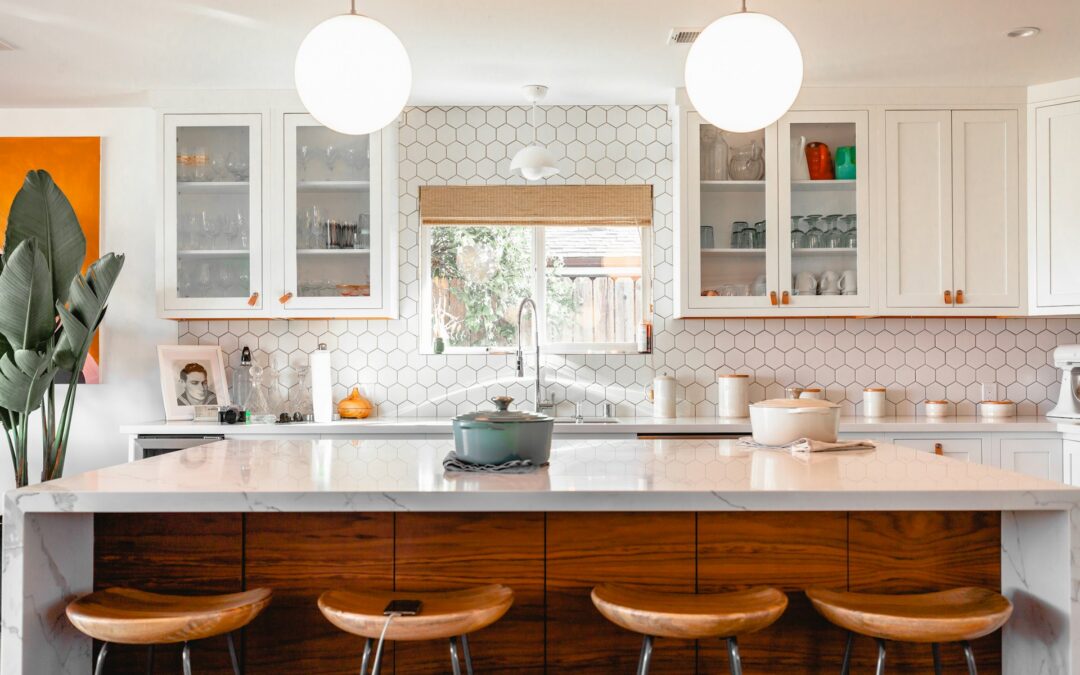
Kitchen cabinets can quietly affect your health and home more than most people realize. Many traditional options release chemicals, wear out faster than expected, or rely on materials that are hard on the environment.
At Ambiance Creations, we often meet homeowners frustrated by cabinets that look good at first but fail to support a healthier, long-lasting kitchen. Sustainable kitchen cabinets solve that problem by combining responsible materials, low-emission finishes, and durability designed for everyday living.
This guide breaks down what truly makes cabinets sustainable, which materials perform best, and how to choose options that protect your air quality without sacrificing style or function.
What Makes Kitchen Cabinets Sustainable?
Sustainable kitchen cabinets typically come down to three factors: materials, finish chemistry, and manufacturing practices. When these align, you reduce environmental impact while investing in cabinetry that is built to last.
Eco-Friendly Materials
The foundation of sustainable kitchen cabinets is the material itself. Bamboo is popular because it grows quickly and can regenerate without replanting. FSC-certified wood supports responsible forestry that protects habitats and reduces overharvesting.
Reclaimed wood gives existing lumber a new purpose. It often comes from old barns or industrial buildings that would otherwise be discarded. You get a distinctive look while reducing demand for newly harvested timber.
Some manufacturers use recycled wood fibers for cabinet boxes and panels. Wheatboard, made from leftover wheat stalks, repurposes agricultural byproducts into durable sheet goods.
The key is choosing materials that are rapidly renewable, responsibly sourced, or diverted from waste streams.
Low-VOC Finishes and Adhesives
VOCs, or volatile organic compounds, can off-gas into your home for a long time. Many older finishes and glues contain higher VOC levels, which can affect both indoor air and broader environmental quality.
Look for water-based finishes that replace solvent-heavy coatings. Labels such as low-VOC and zero-VOC are helpful indicators, especially when backed by third-party testing.
Adhesives matter as much as finishes. Formaldehyde-free bonding agents reduce exposure concerns, and some cabinet lines use plant-based adhesives such as soy formulations. Safer finishes support a healthier kitchen, which matters in a space used every day.
Energy-Efficient Manufacturing
The way cabinetry is produced can significantly shape its footprint. Some manufacturers use energy-efficient machinery or renewable energy systems, including solar.
Water use also matters. Modern finishing systems can recycle water and reduce waste. Some facilities capture sawdust for reuse, turning byproducts into energy or secondary materials. Choosing cabinets made closer to home can reduce transportation emissions. Local and regional production often means less shipping distance and fewer fuel-related impacts.
Popular Sustainable Kitchen Cabinet Materials
Material selection is one of the most visible decisions in sustainable kitchen cabinets. The most common options balance durability and environmental responsibility: reclaimed wood, bamboo, and recycled-content materials.
Reclaimed Wood
Reclaimed wood typically comes from older structures being renovated or dismantled. Instead of heading to a landfill, the boards are cleaned, milled, and repurposed into cabinet components.
Reclaimed wood brings character that is hard to replicate. Natural wear patterns, tonal variation, and historic grain create a one-of-a-kind finish. There is also a practical advantage. Older lumber is often more stable due to long-term drying and settling.
Key benefits of reclaimed wood:
- Reduces demand for new timber
- Creates unique textures and patinas
- Offers strong durability (older wood can be denser)
- Adds warmth with a timeless, lived-in look
Reclaimed wood can be a higher investment and may require specialty fabrication and preparation.
Bamboo Cabinetry
Bamboo is technically a grass, but it performs like a dense hardwood in cabinetry applications. Many bamboo varieties mature within a few years, making them a strong renewable option compared to slow-growing hardwoods.
Bamboo cabinets handle daily wear well and tend to resist moisture-related movement. The appearance reads clean and modern, with a natural grain that still feels warm.
Why choose bamboo?
- Rapidly renewable resource
- Durable surface for active kitchens
- Naturally antibacterial characteristics
- Contemporary aesthetic with organic texture
Confirm that bamboo is sourced responsibly, and verify that adhesives and finishes align with low-emission goals.
Recycled Content Options
Recycled-content cabinets may use reclaimed wood fibers, plastics, metal components, or glass accents. These materials are engineered into stable panels and door fronts.
Recycled composites often combine wood byproducts, sawdust, and recycled paper with low-emission adhesives. The result can perform similarly to conventional composite boards while reducing environmental impact.
Some brands also offer cabinet components made from post-consumer plastics. These can be moisture-resistant and durable, depending on the product line.
Common recycled materials include:
- Wood fiber from manufacturing leftovers
- Post-consumer recycled plastics
- Reclaimed metal for hardware
- Recycled glass accents
Look for documentation that verifies recycled content levels. Higher percentages can deliver more meaningful environmental benefits.
Certifications and Environmental Standards
Marketing language can be vague, so third-party certifications help confirm real performance. For sustainable kitchen cabinets, certifications commonly address sourcing, indoor emissions, and formaldehyde limits.
FSC-Certified Wood
The Forest Stewardship Council (FSC) certification indicates wood is sourced from responsibly managed forests. It is designed to support long-term forest health and protect ecosystems.
You will typically see these FSC categories:
- FSC 100%: all wood from certified forests
- FSC Mixed: a blend of certified and controlled sources
- FSC Recycled: made from reclaimed or recycled wood
Ask for proof of certification when evaluating suppliers, especially if you are comparing similar cabinet lines.
GREENGUARD Certification
GREENGUARD focuses on indoor air quality by testing chemical emissions. Cabinets with this certification are designed to release lower levels of VOCs over time.
GREENGUARD Gold is a more rigorous standard and is often used in schools and healthcare settings. For many homeowners, it offers added confidence in low-emission performance.
Because cabinetry can off-gas for years, this certification can be a meaningful filter when selecting finishes and panel products.
CARB Compliance
The California Air Resources Board (CARB) sets strict limits on formaldehyde emissions from composite wood products. CARB Phase 2 is a widely recognized benchmark for plywood, MDF, and related materials.
Formaldehyde is associated with irritation and other health concerns, so CARB-compliant products use lower-emitting resins and adhesives.
If you are prioritizing healthier materials in sustainable kitchen cabinets, ask whether panels are CARB Phase 2 compliant.
Design and Style Choices for Eco-Friendly Cabinets
Eco-friendly does not mean limited style. Sustainable kitchen cabinets are available in a wide range of door profiles, finishes, and color palettes.
Modern Sustainable Cabinet Styles
Green cabinet lines cover contemporary and classic looks. Flat-panel doors support modern design, while shaker doors work well in transitional interiors.
Bamboo often suits minimal, modern kitchens. Reclaimed wood brings depth and texture that can complement rustic, coastal, or curated eclectic spaces.
Color and sheen are flexible. Low-emission paints and coatings make it possible to choose white, gray, navy, or statement tones, with matte through high-gloss finishes. You can also introduce glass inserts, open shelving, or mixed materials without sacrificing sustainability goals.
Custom vs Stock Eco Options
Stock cabinet lines can be more accessible and typically arrive faster than custom. Many offer FSC-certified options, bamboo fronts, and low-emission finishes in standard sizes.
Custom cabinets provide more control over layout, materials, and certification targets. They can also reduce fit-related waste because they are built to your exact dimensions.
Stock may cost less than custom, but custom can deliver better space efficiency and precision. Either route can support sustainable kitchen cabinets when material specs and emissions data are verified.
Durability and Lifespan
Longevity is a major sustainability factor. Cabinets that last longer reduce landfill waste and cut the need for replacement materials.
Look beyond the surface material and focus on construction quality. Solid joinery, well-built frames, and reliable drawer systems often determine whether cabinets hold up for decades.
Routine care helps extend lifespan. Wipe spills quickly, avoid harsh cleaners, and tighten hardware as needed. A long service life often justifies a higher upfront investment.
How to Choose and Install Sustainable Cabinets
Selecting sustainable kitchen cabinets works best when design, sourcing, and installation practices support the same goal.
Working With Green Kitchen Designers
A sustainability-minded designer can help you compare materials, verify certifications, and avoid greenwashing. They should be able to explain sourcing, finish chemistry, and what matters most for your priorities.
Ask to review past projects where low-emission products and responsible materials were central to the plan. Samples and spec sheets should be part of the process. A good designer will help you balance health, performance, and aesthetics without compromising your vision.
Finding Responsible Manufacturers
Research cabinet makers for transparency. Strong manufacturers clearly publish sourcing policies, emissions standards, and certification documentation.
Ask direct questions:
- Where is the wood sourced?
- What resins are used in plywood or MDF?
- Are finishes and adhesives low-emission?
- Which third-party certifications apply to this line?
Local or regional makers can reduce transportation emissions and may offer better visibility into how products are built.
Proper Installation and Maintenance
Installation affects both performance and air quality. Some materials require different handling than conventional cabinet boxes, especially reclaimed wood and certain composites.
Ask installers to use low-emission caulks and adhesives, and ensure ventilation during and after installation. This helps minimize lingering odor and off-gassing.
Maintain cabinets with gentle cleaners, such as mild soap solutions. Avoid harsh chemicals that can degrade eco-friendly finishes. Follow manufacturer guidance for any oils, waxes, or conditioners on natural wood surfaces.
Choosing Cabinets You Will Not Regret Later
Cabinets should not compromise your air quality or wear out before the rest of your kitchen. Poor materials and finishes often lead to lingering odors, early damage, and costly replacements.
By choosing sustainable kitchen cabinets, you reduce exposure to harmful chemicals while investing in materials built for long-term performance. The right choice supports both daily comfort and lasting value.
If you want guidance that avoids shortcuts and focuses on healthier, more durable results, Ambiance Creations is here to help. Get in Touch!
Frequently Asked Questions
What makes kitchen cabinets truly sustainable?
Sustainable kitchen cabinets are defined by responsible material sourcing, low-emission finishes, and manufacturing practices that reduce environmental impact. Look for renewable or reclaimed materials, verified certifications, and durable construction that minimizes replacement over time.
Are sustainable kitchen cabinets better for indoor air quality?
Yes. Cabinets made with low-VOC or zero-VOC finishes and formaldehyde-free adhesives release fewer harmful emissions. This helps improve indoor air quality, especially in kitchens where cabinetry covers a large surface area.
Do eco-friendly cabinets limit my design options?
Not at all. Sustainable cabinets are available in modern, transitional, and classic styles. From bamboo and reclaimed wood to painted finishes and flat-panel doors, you can achieve almost any look while still choosing responsible materials.
How long do sustainable kitchen cabinets typically last?
When built well, sustainable cabinets often last as long or longer than conventional options. High-quality joinery, stable materials, and durable finishes can support a lifespan of 20 to 30 years or more with proper care.
Are bamboo cabinets durable enough for busy kitchens?
Bamboo performs well in kitchens due to its density and resistance to moisture-related movement. When paired with quality construction and low-emission finishes, bamboo is a reliable choice for sustainable kitchen cabinets in high-use spaces.
How can I verify sustainability claims before purchasing?
Ask for third-party certifications such as FSC, GREENGUARD, or CARB compliance. Reputable manufacturers provide documentation that confirms sourcing, emissions standards, and material composition rather than relying on vague marketing language.
Do sustainable kitchen cabinets require special maintenance?
Maintenance is generally simple. Use gentle, non-toxic cleaners, wipe spills promptly, and avoid harsh chemicals. Following manufacturer recommendations helps preserve finishes and extend cabinet life.
Are sustainable cabinets a good long-term investment?
Yes. While the upfront investment can be higher, sustainable cabinets often deliver better durability, healthier indoor conditions, and fewer replacements over time. That long-term performance is a key part of their value.