
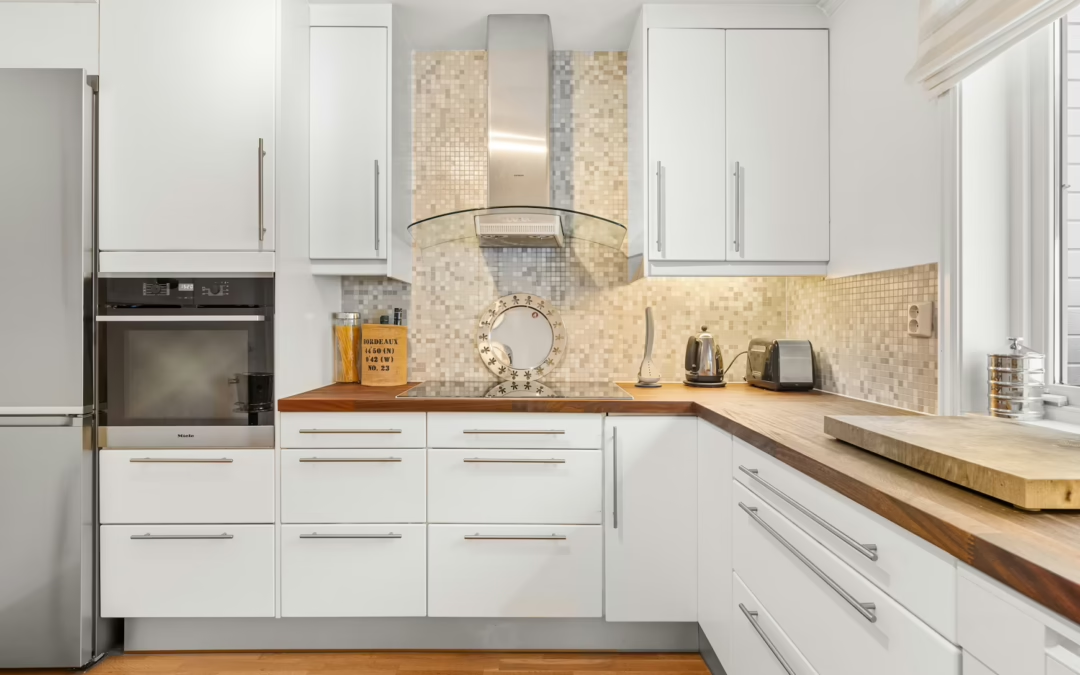
Built-in cabinet installation services bring structure, efficiency, and refined design into your home. At Ambiance Creations, every installation reflects a commitment to precision, ensuring cabinetry integrates seamlessly with your layout while enhancing both function and visual appeal.
Choosing professional services means investing in craftsmanship that eliminates gaps, misalignment, and future issues. From careful measurements to detailed finishing work, each step supports a polished, long-lasting result tailored to your space.
In this guide, you’ll explore what these services include, how the installation process works, where built-ins create the most value, and how to plan your project with confidence. You’ll also gain insight into materials, timelines, and expert strategies that shape a smooth, high-quality outcome.
What Built-In Cabinet Installation Services Include
Built-in cabinet installation covers a wide scope of work, from measuring walls to mounting and finishing cabinetry. The exact scope depends on the room, cabinet type, and level of customization, but every step contributes to a seamless final result.
Types of Built-In Projects Pros Handle
Professional installers handle far more than kitchens. They complete projects across the home, including kitchen cabinets, bathroom vanities, living room media walls, home office systems, mudroom storage, and laundry room cabinetry.
Each type of project requires slightly different techniques and planning. However, the core objective stays consistent: create cabinetry that integrates cleanly into the space and remains structurally sound over time.
What a Cabinet Installation Service Covers
Most built-in cabinet installation services include a comprehensive set of tasks that ensure consistency from start to finish. Installers begin with site inspections and detailed measurements, followed by the removal of existing cabinetry when needed.
They prepare walls, mark studs, assemble cabinets if required, and securely mount each unit. The process continues with hardware installation and concludes with trim work that creates a polished, built-in appearance.
Some providers also coordinate countertops, lighting, or additional trades, so it is important to clarify the full scope before committing.
When Installation Is Better Than DIY
DIY installation may seem appealing for simple projects, but complexity increases quickly once real-world conditions come into play. Walls are rarely perfectly straight, and even small misalignments can affect door function and long-term durability.
Professional installers bring specialized tools and experience that allow them to correct these issues during installation. Their ability to adapt ensures a cleaner finish and reduces the risk of costly adjustments later.
How the Installation Process Works
A professional installation follows a structured sequence that moves from planning to final detailing. Each phase builds on the previous one to ensure accuracy and consistency.
Measuring and Planning for a Precise Fit
Accurate measurements form the foundation of successful cabinet installation. Installers assess all dimensions while accounting for obstacles such as outlets, windows, and plumbing.
They often use advanced tools like laser levels to achieve precision, especially when working with custom or semi-custom cabinetry that depends on exact specifications.
Site Prep, Removal, and Wall Readiness
Before installing new cabinets, professionals remove existing units and prepare the surrounding surfaces. This includes repairing walls, confirming level conditions, and identifying stud locations for secure mounting.
Completing painting or flooring before this stage prevents interruptions and ensures the installation proceeds efficiently.
Mounting, Leveling, and Securing Cabinets
Installers typically begin with upper cabinets, aligning them carefully along a reference line to maintain consistency. They then install base cabinets, adjusting for uneven flooring as needed.
Each cabinet is anchored into wall studs and connected to adjacent units. Continuous checks for level and alignment ensure proper function and long-term stability.
Trim, Hardware, and Finishing Touches
The final stage brings the entire installation together. Installers add trim elements such as moldings and filler strips to create a cohesive look. They adjust doors and drawers for smooth operation and install hardware with precision. These finishing touches define the overall quality and visual impact of the project.
Where Built-Ins Add the Most Value
Built-in cabinetry enhances both functionality and design across multiple areas of the home. Strategic placement can significantly improve daily use and long-term value.
Kitchen Storage and Pantry Walls
Kitchens benefit the most from built-in solutions. Features like pantry walls, pull-out storage, and optimized corner cabinets improve organization and workflow.
Well-designed kitchen cabinetry also increases property appeal and contributes to a strong return on investment.
Bathroom Vanities and Linen Storage
Bathrooms often have limited space, making efficient storage essential. Custom vanities fit precisely around plumbing, while linen cabinets utilize vertical space effectively. These solutions eliminate wasted gaps and create a more organized, functional environment.
Living Rooms and Home Offices
Built-ins bring structure and intention to living areas. Media walls conceal wiring and frame focal points, while shelving systems provide organized display space.
In home offices, integrated desks and storage solutions support productivity and maintain a clean, uncluttered workspace.
Entryways, Mudrooms, and Laundry Areas
Mudroom cabinetry helps organize everyday items such as shoes, bags, and outerwear. In laundry rooms, built-in cabinets and countertops improve workflow and usability. Although often overlooked, these areas benefit greatly from thoughtful storage solutions that simplify daily routines.
How to Choose the Right Installer
Selecting the right professional plays a critical role in the success of your project. Not all installers deliver the same level of expertise or attention to detail.
What to Look for in Experience
Focus on professionals with proven experience in installing built-in cabinets. Review their portfolio to assess craftsmanship and consistency across projects. Client reviews and completed work offer valuable insight into reliability and overall quality.
Questions to Ask Before Hiring
Before making a decision, ask clear and direct questions about licensing, insurance, timelines, and the scope of work. Confirm whether the installer handles removal, coordinates trades, and provides a workmanship warranty. Transparent answers indicate professionalism and help set accurate expectations.
Comparing Provider Types
Different provider types offer varying levels of service. Big-box retailers provide convenience but often rely on subcontractors, which can limit flexibility.
Local specialists offer tailored solutions and direct communication, while handyman platforms provide accessibility but may vary in skill level. For custom projects, specialists typically deliver more consistent results.
Cost Factors and Project Timelines
Understanding costs and timelines allows you to plan effectively and avoid unexpected challenges during installation.
What Affects Pricing
Several factors influence total project cost, including cabinet type, project size, layout complexity, and local labor rates. Additional work such as demolition or wall repairs, can also impact pricing.
Labor-only installation for a standard kitchen typically ranges from $1,000 to $4,500, depending on scope and region.
Cabinet Type Comparison
Stock cabinets offer the most affordable and fastest option, while custom cabinets provide complete design flexibility at a higher investment level. Semi-custom cabinetry sits between the two, offering moderate customization with balanced pricing and lead times.
Choosing the right option depends on your priorities for design, timeline, and overall project goals.
Typical Project Timeline
Most cabinet installations take between two and five days for a standard kitchen. Smaller projects may be completed in a single day, while larger or more detailed installations can extend to a week or longer. Your installer should provide a clear timeline based on the specifics of your project.
How to Prepare for a Smooth Project
Proper preparation helps ensure a smooth installation process and minimizes disruptions within your home.
Getting the Space Ready
Clear the installation area completely before work begins. Remove all items from existing cabinets and protect nearby surfaces from dust or debris. If the project involves a kitchen, setting up a temporary cooking space can help maintain daily routines during installation.
Coordinating With Other Trades
Coordinate plumbing and electrical work before cabinet installation begins. Countertop measurements and installation should occur after cabinets are in place. Proper scheduling between trades prevents delays and keeps the project on track.
Final Walkthrough and Maintenance
After installation, review every cabinet, door, and drawer with your installer. Address any concerns immediately to ensure everything functions correctly.
Ongoing maintenance, such as regular cleaning and tightening hardware, preserves both appearance and performance over time.
Refined Built-Ins for Elevated Living
Built-in cabinetry brings clarity and intention to every room, turning underused areas into purposeful, well-designed spaces. With professional built-in cabinet installation services, each detail aligns to create a seamless balance between function and style.
A thoughtful approach to planning, materials, and installation ensures your cabinetry performs beautifully over time. From kitchens to living spaces, well-executed built-ins enhance daily routines while adding lasting value to your home.
At Ambiance Creations, we deliver tailored solutions with precision and care. View our work to explore how expertly crafted cabinetry can transform your space.
Frequently Asked Questions
What do built-in cabinet installation services include?
Built-in cabinet installation services typically cover the entire process from start to finish. This includes site measurements, removal of existing cabinets, wall preparation, cabinet assembly, mounting, and final trim work.
Some providers also coordinate with other trades, such as countertop installers or electricians, to ensure a seamless and efficient project.
How long does cabinet installation usually take?
Most standard kitchen installations take between two and five days, depending on the size and complexity of the project. Smaller installations, such as a bathroom vanity or mudroom unit, may be completed in a single day.
Custom or multi-room projects may require additional time due to design details and coordination with other elements.
Are custom cabinets worth the investment?
Custom cabinets offer complete control over size, layout, materials, and finishes. This level of customization allows you to maximize space and achieve a tailored look that fits your home perfectly.
While they require a higher investment than stock options, the long-term value in durability, functionality, and design often justifies the decision.
Can built-in cabinets be installed in any room?
Yes, built-in cabinets can enhance nearly any room in your home. Common applications include kitchens, bathrooms, living rooms, home offices, mudrooms, and laundry areas.
Each space benefits from improved organization and a more cohesive design when cabinetry is tailored to the layout.
Do I need to prepare my home before installation begins?
Proper preparation helps ensure a smooth installation process. Clear the workspace, remove items from existing cabinets, and protect surrounding surfaces before work begins.
It is also important to complete any painting, flooring, or rough-in electrical and plumbing work ahead of installation to avoid delays.
How do I maintain built-in cabinets after installation?
Regular maintenance keeps your cabinets looking and performing their best. Wipe surfaces with a soft cloth, avoid excess moisture, and periodically check hardware for tightness.
With consistent care, built-in cabinets can last for many years while maintaining their appearance and functionality.