
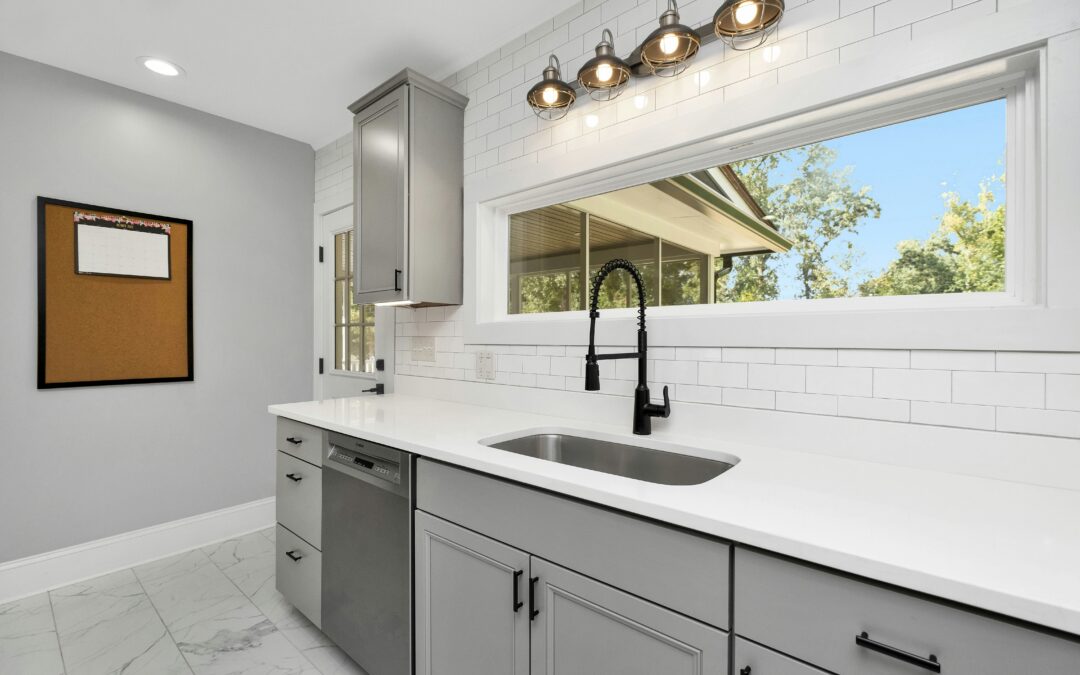
Many kitchens look beautiful at first, but hide problems behind the finish: poor air quality, short cabinet lifespans, and materials that don’t meet today’s environmental standards. Homeowners often struggle to find cabinetry that balances style, durability, and true sustainability.
At Ambiance Creations, eco-friendly cabinetry addresses these concerns with refined materials, non-toxic finishes, and lasting construction. The result is a kitchen that feels healthier, functions better, and reflects a more thoughtful investment.
In this guide, you’ll discover how to choose eco-friendly cabinetry, what materials truly matter, and how to create a space that supports both your home and the environment.
What Is Eco-Friendly Cabinetry?
Eco-friendly cabinetry uses materials and methods that protect the environment while creating healthier living spaces. These cabinets are designed to reduce waste, avoid toxic chemicals, and support responsible resource management without compromising performance or style.
The core principles focus on three areas: sourcing, manufacturing, and finishing. Materials should come from certified sustainable sources, production should minimize waste and energy use, and finishes and adhesives should be low in volatile organic compounds (VOCs) or completely non-toxic.
Certifications help verify these standards. FSC certification ensures responsible forest management, while CARB compliance confirms strict limits on formaldehyde emissions. Together, these benchmarks provide confidence in the integrity of eco-friendly cabinetry.
Benefits for Homeowners
Eco-friendly cabinetry improves indoor air quality by reducing the release of harmful chemicals into your home. Traditional cabinets often contain formaldehyde and other VOCs, which can contribute to headaches, respiratory irritation, and long-term health concerns.
These cabinets are also built to last. Sustainable manufacturers tend to prioritize high-quality materials and construction methods, resulting in cabinetry that performs better over time and requires fewer replacements.
Additionally, choosing eco-friendly cabinetry helps lower your carbon footprint. Production methods often use less energy and generate less waste, while options like reclaimed wood reduce demand for new raw materials. These upgrades can also enhance your home’s appeal as sustainability becomes a priority for buyers.
Common Myths and Misconceptions
One common misconception is that eco-friendly cabinetry always costs significantly more than conventional options. While some premium products are higher-end, many sustainable choices are competitively priced and offer long-term value through durability and performance.
Another myth is that eco-friendly cabinetry limits design flexibility. In reality, sustainable options are available in a wide variety of styles, finishes, and colors, allowing you to achieve virtually any aesthetic.
It’s also important to recognize that not all “green” labels are equal. Verifying certifications and requesting documentation ensures that the products you choose genuinely meet environmental standards rather than relying on vague claims.
Sustainable Materials Used in Eco-Friendly Cabinets
The materials used in eco-friendly cabinetry play a central role in both environmental impact and indoor health. From responsibly sourced wood to innovative recycled content, these options combine performance with sustainability.
FSC-Certified Wood
FSC-certified wood comes from forests managed under strict environmental and social guidelines. This certification ensures that harvesting practices protect ecosystems, wildlife, and local communities while maintaining long-term forest health.
Common FSC-certified woods such as oak, maple, cherry, and walnut offer the same durability and visual appeal as conventional options. Choosing these materials allows you to invest in cabinetry that is both beautiful and responsibly sourced.
Bamboo and Rapidly Renewable Resources
Bamboo is one of the most sustainable materials available for eco-friendly cabinetry due to its rapid growth cycle. It can reach maturity in just a few years and naturally regenerates after harvesting, making it an excellent renewable resource.
In addition to bamboo, materials like cork and wheat board provide sustainable alternatives. These options utilize fast-growing or reclaimed agricultural resources, reducing environmental impact while maintaining strength and functionality.
Recycled and Upcycled Materials
Recycled and upcycled materials help reduce waste by repurposing existing resources into new cabinetry. Reclaimed wood from older structures adds unique character, while recycled composites use wood scraps and fibers to create durable panels.
Some manufacturers also incorporate recycled metals or plastics into cabinetry components. These approaches reduce the need for virgin materials and support a more circular, responsible production model.
Low-Emission Substrates
Low-emission substrates are essential for maintaining healthy indoor air quality. Traditional cabinet materials can release harmful chemicals, but alternatives like formaldehyde-free MDF and plywood significantly reduce these emissions.
Certifications such as CARB2 compliance and GREENGUARD Gold indicate that materials meet strict air quality standards. These options ensure that eco-friendly cabinetry performs at a high level without compromising the health of your home.
Green Manufacturing and Finishing Processes
Sustainability in cabinetry extends beyond materials to include how products are manufactured and finished. Responsible production methods reduce environmental impact while improving the safety and quality of your living space.
Low-VOC Paints and Finishes
Traditional finishes often release volatile organic compounds into the air, which can affect both health and indoor comfort. Low-VOC and zero-VOC finishes significantly reduce these emissions, creating a cleaner and more comfortable environment.
These finishes are available in a wide range of colors and styles, allowing you to maintain your design vision while prioritizing health and sustainability. The result is cabinetry that looks refined and supports better indoor air quality.
Energy-Efficient Production
Manufacturers committed to sustainability implement energy-efficient practices throughout the production process. This includes using advanced machinery, LED lighting, and renewable energy sources to reduce overall energy consumption.
Efficient material usage is another key component. By optimizing cutting processes and reusing scraps, manufacturers minimize waste and make the most of available resources. This approach ensures that eco-friendly cabinetry reflects responsible practices from start to finish.
Water-Based Adhesives
Water-based adhesives provide a safer alternative to traditional chemical-based bonding agents. They reduce harmful emissions while maintaining strong and reliable performance in cabinetry construction.
These adhesives also improve working conditions in manufacturing environments by limiting exposure to toxic substances. Choosing cabinetry made with water-based adhesives supports both environmental and human health.
Discover a sustainable kitchen and bathroom remodel that feels modern.
Ensuring a Healthy Home with Non-Toxic Cabinetry
Non-toxic cabinetry is essential for maintaining a healthy indoor environment. By selecting materials and finishes that minimize chemical emissions, you can create a space that supports long-term wellness.
Formaldehyde-Free Products
Formaldehyde is commonly used in cabinet materials and adhesives, and it can off-gas into your home over time. Eco-friendly cabinetry eliminates or significantly reduces this risk through formaldehyde-free construction.
Certifications such as CARB and GREENGUARD help verify low or zero formaldehyde content. Solid wood options are naturally free of formaldehyde, though it remains important to evaluate finishes and adhesives for overall safety.
Air Quality Considerations
Because cabinets occupy a large portion of your kitchen, they play a major role in indoor air quality. Eco-friendly cabinetry reduces harmful emissions, contributing to a cleaner and healthier environment.
This is especially important for households with children, pets, or individuals with sensitivities. Combined with proper ventilation and low-emission finishes, these choices create a noticeable improvement in how your home feels and functions.
How to Choose and Maintain Eco-Friendly Cabinets
Selecting eco-friendly cabinetry involves understanding certifications, installation practices, and long-term care. These steps ensure that your investment delivers lasting performance and sustainability.
Certifications to Look For
When evaluating eco-friendly cabinetry, look for trusted certifications such as FSC for sustainable wood sourcing and GREENGUARD Gold for low emissions. These labels provide assurance that the products meet established environmental standards.
Additional certifications, such as KCMA Environmental Stewardship and CARB2 compliance, further confirm responsible manufacturing and material safety. Always request documentation to verify these claims.
Tips for Installation
Proper installation plays a critical role in the performance of eco-friendly cabinetry. Working with experienced professionals ensures that materials are handled correctly and installed with precision.
Using low-VOC adhesives and allowing for natural material movement helps maintain durability over time. Recycling packaging and minimizing waste during installation further support sustainable practices.
Maintenance and Longevity Tips
Maintaining eco-friendly cabinetry is straightforward and helps extend its lifespan. Regular cleaning with mild soap and a soft cloth preserves finishes without introducing harsh chemicals. Promptly addressing spills and periodically conditioning natural wood surfaces keeps materials in excellent condition.
Checking hardware and making minor repairs early on prevents larger issues and ensures long-term performance. With proper care, eco-friendly cabinetry can last for decades, reducing the need for replacement and supporting a more sustainable home overall.
Designing a More Responsible Kitchen
Eco-friendly cabinetry represents a thoughtful approach to design that prioritizes both aesthetics and environmental responsibility. By selecting sustainable materials and finishes, you create a kitchen that performs beautifully while supporting healthier living.
Every decision, from material sourcing to installation, contributes to a space that reflects quality and intention. Eco-friendly cabinetry is not just a feature but a foundation for a more responsible and refined home.
At Ambiance Creations, every project is guided by craftsmanship, integrity, and a commitment to lasting value. Get in touch to explore cabinetry solutions that seamlessly bring sustainability and elevated design together.
Frequently Asked Questions
What makes eco-friendly cabinetry different from standard cabinets?
Eco-friendly cabinetry is designed with sustainability and health in mind. It uses responsibly sourced materials, low-emission finishes, and cleaner manufacturing processes that reduce environmental impact while improving indoor air quality.
Are eco-friendly cabinets as durable as traditional options?
Yes, eco-friendly cabinetry is often just as durable, if not more so. Many sustainable manufacturers prioritize high-quality construction and materials, resulting in cabinets that last longer and perform better over time.
Do eco-friendly cabinets limit design options?
Not at all. Eco-friendly cabinetry is available in a wide range of styles, finishes, and colors. Whether your aesthetic is modern, transitional, or classic, there are sustainable options that align with your design vision.
How can I verify if cabinetry is truly eco-friendly?
Look for certifications such as FSC for responsibly sourced wood and GREENGUARD Gold for low emissions. Request documentation from manufacturers to confirm claims and ensure materials meet established environmental standards.
Is eco-friendly cabinetry a good investment for my home?
Eco-friendly cabinetry supports long-term value by improving durability, indoor air quality, and overall appeal. As sustainability becomes more important to buyers, these features can also enhance your home’s marketability.
What maintenance is required for eco-friendly cabinetry?
Maintenance is simple and similar to traditional cabinets. Use mild, non-toxic cleaners, avoid harsh chemicals, and regularly check hardware. Proper care helps extend the lifespan and preserve the integrity of sustainable materials.