
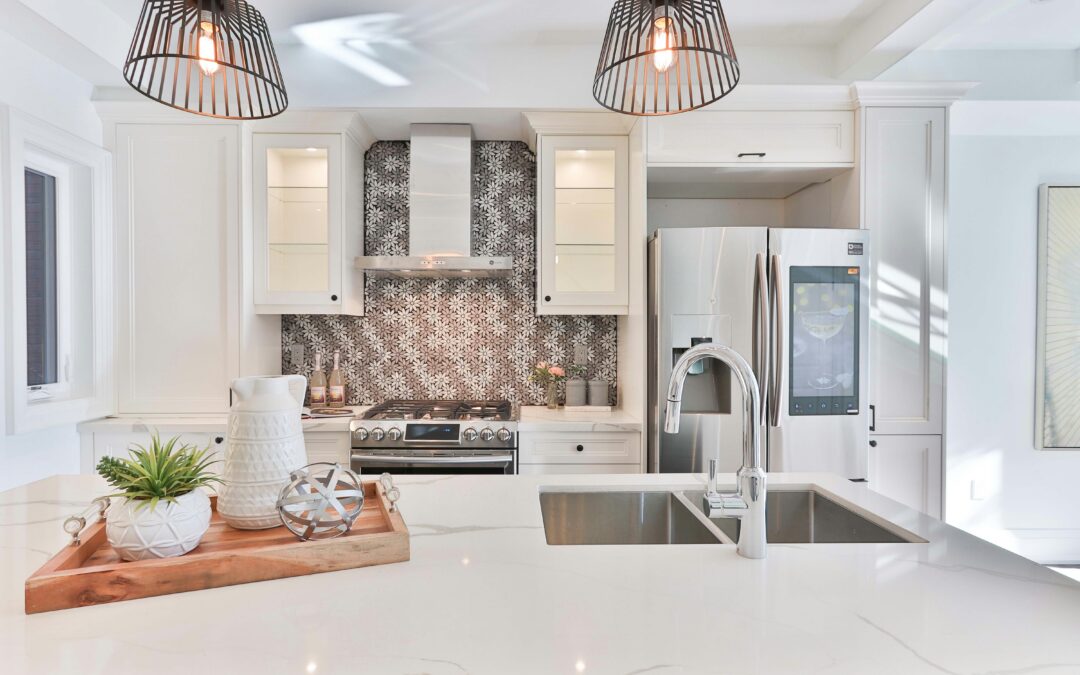
Outdated or mismatched kitchen cabinet styles can make your entire kitchen feel unbalanced and less functional. When cabinets dominate the space, even small design missteps become impossible to ignore.
At Ambiance Creations, we focus on creating cabinetry that blends style, efficiency, and long-term performance, so your kitchen works as beautifully as it looks. The right cabinet choice eliminates visual clutter while improving everyday use.
In this guide, you’ll discover modern, traditional, and transitional kitchen cabinet styles, along with materials and finishes that solve common design challenges and elevate your space.
What Are The Most Popular Kitchen Cabinet Styles
The most popular kitchen cabinet styles range from timeless classics to sleek contemporary designs, each offering a distinct personality and level of visual impact. Understanding these differences helps you select a direction that aligns with both your design vision and how you use your kitchen.
Shaker Cabinets
Shaker cabinets feature a five-piece door design with a recessed center panel and clean square frame, making them one of the most recognizable kitchen cabinet styles. Rooted in simplicity and craftsmanship, they remain highly versatile and adaptable across different aesthetics.
Clean lines allow them to work in nearly any kitchen, whether paired with rustic hardware for a traditional feel or modern fixtures for a more updated look. Their flexibility makes them a reliable choice for homeowners seeking a balance between classic and contemporary design.
Common Shaker features include:
- Recessed center panel
- Square edges and corners
- Simple rail and stile construction
- Minimal decorative details
Shaker cabinets are available in a wide range of finishes, including painted and natural wood options. White and gray remain popular, though deeper tones and custom colors are increasingly used to create more personalized kitchen cabinet styles.
Flat-Panel Cabinets
Flat-panel cabinets offer smooth, uninterrupted surfaces with no raised or recessed detailing, making them ideal for modern and minimalist kitchen cabinet styles. Their simplicity creates a streamlined look that emphasizes clean geometry and open space.
Because there are no grooves or detailing, these cabinets are easy to maintain and clean, which adds to their functional appeal. Many designs incorporate handleless fronts or integrated pulls, reinforcing a seamless and uncluttered aesthetic.
They pair well with contemporary materials such as stainless steel appliances, concrete or quartz countertops, and geometric backsplashes. Finishes range from high-gloss lacquer to matte and natural wood veneers, allowing flexibility in tone and texture.
Glass-Front Cabinets
Glass-front cabinets replace solid panels with transparent or decorative glass, allowing you to display dishware while maintaining protection from dust. This style introduces visual lightness and can make the kitchen feel more open.
They work well as accent pieces or across upper cabinets, especially when you want to highlight curated items or add depth to your design. Their ability to break up solid cabinetry makes them a valuable feature in many kitchen cabinet styles.
Glass options include:
- Clear glass for full visibility
- Frosted glass for softness
- Textured glass for added design
- Mullioned frames for traditional appeal
Interior lighting enhances the display and creates ambiance, while thoughtful organization ensures the contents remain visually appealing.
Inset Cabinets
Inset cabinets feature doors and drawers that sit flush within the cabinet frame, creating a tailored and highly precise appearance. This level of craftsmanship distinguishes them as a premium option among kitchen cabinet styles.
The consistent spacing and visible hinges contribute to a furniture-like aesthetic that feels refined and intentional. However, this style requires precise installation, as even slight irregularities can affect alignment and performance.
Inset cabinets are particularly well-suited for traditional, craftsman, and transitional kitchens, where detail and craftsmanship are central to the overall design.
Discover how much it costs to remodel a kitchen in 2026.
Traditional Versus Modern Cabinet Designs
Kitchen cabinet styles often fall into traditional, modern, or transitional categories, each offering a different balance of detail, simplicity, and visual impact. Understanding these categories helps guide your overall design direction.
Classic Traditional Styles
Traditional cabinets emphasize ornate detailing and rich finishes, creating a sense of warmth and elegance. Raised panel doors, decorative moldings, and intricate trim are key elements that define this approach.
Wood species such as cherry, maple, and oak are commonly used, often finished in deep tones like mahogany or chestnut. These materials enhance the richness and depth associated with traditional kitchen cabinet styles.
Hardware plays a significant role, with finishes like brass or bronze adding warmth and character. Additional features such as mullioned glass doors and decorative corbels further reinforce the classic aesthetic.
Contemporary and Minimalist Designs
Modern kitchen cabinet styles focus on clean lines and functional simplicity, eliminating unnecessary ornamentation for a streamlined appearance. Flat-panel doors dominate this category, reinforcing a smooth and uninterrupted look.
Neutral color palettes such as white, gray, black, and taupe are commonly used, with finishes ranging from matte to high-gloss. Some designs incorporate natural wood tones or two-tone combinations to add subtle variation.
Hardware is typically minimal or concealed, with options such as sleek bar pulls, integrated grooves, or push-to-open systems. These features enhance both usability and visual clarity within the space.
Transitional Cabinets
Transitional kitchen cabinet styles blend traditional warmth with modern simplicity, offering a balanced and flexible design approach. They often feature subtle detailing without the heaviness of fully traditional cabinetry.
Color palettes tend to include soft neutrals that work well with both warm and cool tones, allowing greater versatility. Hardware choices remain understated, often in finishes like brushed nickel or matte black.
This style adapts easily as trends evolve, making it a practical choice for homeowners seeking longevity without sacrificing style.
Read more about kitchen countertops: styles, materials, and what’s right for your home.
Material and Finish Options for Cabinets
Materials and finishes play a critical role in defining how kitchen cabinet styles look, feel, and perform over time. The right combination enhances both durability and visual appeal.
Wood Species and Alternatives
Popular wood options include oak, maple, cherry, and walnut, each offering distinct grain patterns and color characteristics. These natural variations contribute to the overall personality of your cabinetry.
Engineered materials such as MDF and plywood provide stability and consistency, making them excellent choices for certain applications. Veneers combine real wood surfaces with engineered cores, delivering the appearance of solid wood with added durability.
Painted Versus Stained Finishes
Painted cabinets provide a smooth, uniform color, making them ideal for contemporary kitchen cabinet styles that prioritize clean visuals. They offer a wide range of color options, from subtle neutrals to bold statement tones.
Stained finishes highlight the natural beauty of the wood grain, adding depth and warmth. They tend to be more forgiving with wear, as minor imperfections are less noticeable over time. Protective topcoats, including matte, satin, and gloss, influence both appearance and maintenance requirements.
High-Gloss and Matte Surfaces
High-gloss finishes reflect light, helping smaller kitchens feel brighter and more open while contributing to a sleek, modern look. However, they require more maintenance due to visible fingerprints and smudges.
Matte finishes absorb light, creating a softer and more understated appearance that is easier to maintain. Satin finishes offer a balance between the two, providing a subtle sheen with practical durability.
Cabinet Door Features and Accents
Details and accents elevate kitchen cabinet styles, turning cabinetry into a defining design feature rather than just a functional element. Thoughtful choices in this area can significantly enhance the overall look.
Custom Molding and Detailing
Custom molding introduces depth and architectural interest, incorporating elements such as raised panels, beaded edges, and decorative trim. These details add dimension and character when used intentionally.
Rather than applying them throughout the entire kitchen, they are often most effective as accents on islands or feature areas. This approach maintains balance while still highlighting craftsmanship.
Mixed Material Styles
Combining materials adds contrast and visual texture, helping break up large expanses of cabinetry. Glass inserts, metal mesh, and mixed wood tones are commonly used to create layered kitchen cabinet styles.
Limiting combinations to two or three materials ensures the design remains cohesive while still offering visual interest.
Decorative Hardware Choices
Hardware serves as the finishing touch, influencing both style and usability. From minimalist pulls to more decorative knobs, the right choice enhances the overall design.
Popular finishes include:
- Matte black for a modern edge
- Brushed brass for warmth
- Polished chrome for a sleek look
- Oil-rubbed bronze for rustic appeal
Careful consideration of size, placement, and finish ensures harmony with other elements in the kitchen.
Trends in Kitchen Cabinet Styles
Current kitchen cabinet styles emphasize personalization, functionality, and thoughtful material selection. These trends reflect evolving preferences and lifestyles.
Open Shelving Integration
Open shelving introduces visual openness and accessibility, allowing homeowners to display curated items while maintaining practical storage. When combined with closed cabinetry, it creates a balanced and dynamic layout.
Two-Tone Cabinets
Two-tone kitchen cabinet styles create contrast by combining different colors or finishes, adding depth and dimension. This approach allows for bold expression without overwhelming the space.
Eco-Friendly Materials
Sustainable materials are becoming increasingly important in kitchen cabinet styles, with options such as bamboo, reclaimed wood, and responsibly sourced products gaining popularity. Low-VOC finishes also contribute to improved indoor air quality.
These choices support both environmental responsibility and long-term performance, without compromising on design.
Designing a Kitchen That Reflects You
Choosing the right kitchen cabinet styles goes beyond appearance, shaping how your space functions and feels every day. A well-considered approach ensures your kitchen remains both visually appealing and highly practical over time.
At Ambiance Creations, every design is guided by a refined perspective that balances craftsmanship, material selection, and functionality. The result is a space that feels intentional, cohesive, and tailored to your lifestyle.
If you are ready to elevate your space, get in touch to begin designing a kitchen that reflects your vision.
Frequently Asked Questions
What are the most popular kitchen cabinet styles today?
The most popular kitchen cabinet styles include Shaker, flat-panel, and transitional designs. Shaker cabinets remain a top choice due to their versatility, while flat-panel styles appeal to modern kitchens with clean lines. Transitional options blend both, offering flexibility that works in a wide range of homes.
How do I choose the right kitchen cabinet style for my home?
Start by considering your home’s overall design and how you use your kitchen daily. Traditional homes often benefit from detailed cabinetry, while modern spaces suit simpler styles. The best kitchen cabinet styles balance visual appeal with functionality and long-term usability.
Are Shaker cabinets still in style for 2026?
Yes, Shaker cabinets continue to be one of the most востребован and timeless kitchen cabinet styles. Their clean lines and simple construction allow them to adapt easily to both modern and traditional kitchens, making them a lasting design choice.
What cabinet style makes a kitchen look bigger?
Flat-panel cabinets and lighter-colored finishes tend to make a kitchen feel larger. These kitchen cabinet styles reflect light and reduce visual clutter, helping create a more open and airy environment.
What is the difference between inset and overlay cabinets?
Inset cabinets have doors that sit flush within the frame, creating a precise and tailored look. Overlay cabinets, on the other hand, sit on top of the frame and are more common. Both options are used in different kitchen cabinet styles, depending on the desired level of detail and craftsmanship.
Should cabinets match throughout the entire kitchen?
Not necessarily. Many modern kitchen cabinet styles incorporate two-tone designs or mixed materials to add depth and interest. The key is maintaining a cohesive color palette and consistent design elements.
What materials are best for kitchen cabinets?
Solid wood, plywood, and MDF are among the most commonly used materials. Each supports different kitchen cabinet styles depending on the finish and durability needed. The best choice depends on your design goals and how much daily use your kitchen receives.
Are painted or stained cabinets better?
Painted cabinets offer a smooth, modern appearance, while stained cabinets highlight natural wood grain. Both options work well across different kitchen cabinet styles, and the right choice depends on whether you prefer a clean or more organic look.
How can I make my cabinets more modern without replacing them?
Updating hardware, repainting cabinets, or adding new finishes can significantly refresh your space. Small changes can modernize existing kitchen cabinet styles without requiring a full renovation.
What cabinet trends are expected to last?
Timeless kitchen cabinet styles such as Shaker and transitional designs are expected to remain popular. Additionally, features like two-tone cabinetry, sustainable materials, and smart storage solutions continue to gain long-term traction.