
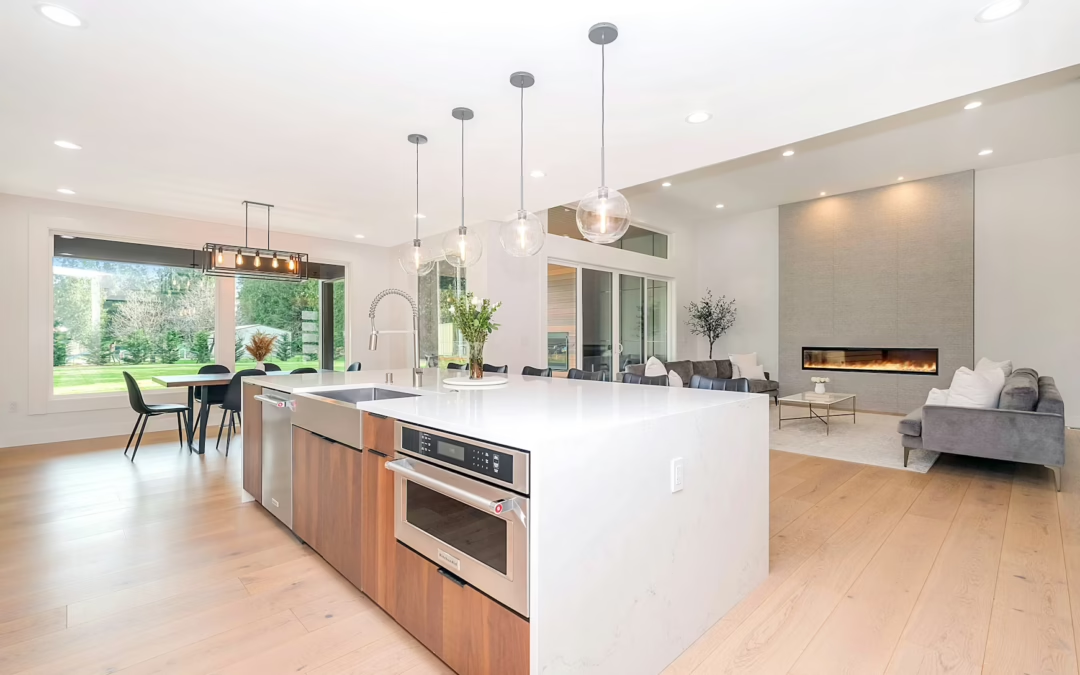
Open concept remodeling continues to define modern living, and homeowners choose it for good reason. When you remove walls between the kitchen, dining, and living areas, you create a brighter, more connected home that feels expansive and refined.
At Ambiance Creations, we approach each transformation with a focus on quality, integrity, functionality, and uniqueness.
This guide explores how to execute open concept remodeling with precision. You will learn how structure, layout, lighting, and materials work together to shape a cohesive environment. We also address real-life functionality, so your space supports how you actually live.
What to Decide Before Opening Up Your Home
Before removing walls, define your lifestyle, priorities, and expectations. Open layouts elevate daily living for some households, while others need more separation and privacy.
Evaluate how your household functions and what you expect from your space. Consider how this transformation influences comfort, usability, and long-term value.
When an Open Layout Fits Everyday Living
Open floor plans perform best when daily routines center around shared spaces. If you cook while others gather nearby or entertain frequently, this layout enhances connection.
Open layouts improve traffic flow by eliminating barriers. Instead of navigating doorways and tight corners, movement becomes seamless and intuitive.
Ask yourself:
- Do you entertain often?
- Do you want visibility from the kitchen?
- Does your household gather in one space?
If so, open-concept remodeling aligns well. If not, plan for quiet zones elsewhere to maintain balance.
Pros and Tradeoffs to Weigh Early
Every remodel involves advantages and compromises. Understanding both allows you to design intentionally.
Pros
- More natural light
- Better flow for entertaining
- Larger, brighter feel
- Easier supervision of children
- Strong alignment with modern design
Tradeoffs
- Noise travels easily
- Cooking odors spread
- Clutter stays visible
- Reduced privacy
- Increased energy demand
Thoughtful planning solves most challenges. Use high-performance ventilation, integrated storage, and soft materials to maintain comfort and control.
How Openness Can Affect Resale Appeal
Open layouts remain highly desirable in the U.S. market. Buyers prioritize bright, connected spaces that feel move-in ready.
A well-executed open concept remodeling project can increase resale appeal, especially when the kitchen integrates seamlessly with living areas. However, success depends on intentional design.
Define zones clearly, invest in cohesive finishes, and prioritize lighting. These elements transform openness into a refined, livable experience.
Structural and Code Considerations
Structural planning defines the success of your remodel. Removing walls requires precision, engineering, and compliance with building standards.
Removing Walls and Identifying Load-Bearing Walls
Walls serve different purposes. Some divide space, while others support structural loads. Removing a load-bearing wall without reinforcement compromises safety. Always confirm structural function before demolition.
Common indicators include:
- Perpendicular alignment to floor joists
- Position above beams or foundation walls
- Central placement within the home
Non-load-bearing removal costs less, while structural modifications require beams and reinforcement. Professional evaluation ensures accuracy.
When to Bring In a Structural Engineer
Engage a structural engineer whenever load-bearing conditions exist. They calculate loads and design the correct support system.
Homes with complex framing or multiple levels require expert input. Engineers also provide the documentation required for permits. This step protects your investment and prevents costly errors.
Utility Rerouting, Permits, and Building Code
Walls conceal critical systems such as wiring, plumbing, and HVAC. When you remove them, you must reroute these systems properly.
Key adjustments include:
- Electrical: relocate outlets and wiring
- Plumbing: adjust pipes and drains
- HVAC: rebalance airflow
Secure permits before starting work. Local codes define requirements and inspections. Early compliance prevents delays and protects your project.
Designing Functional Zones Without Closing the Space
Open layouts require structure without walls. You create organization through design elements rather than physical barriers.
How to Define Zones With Furniture and Rugs
Furniture establishes visual boundaries. Position seating to define living areas and create natural transitions.
Use rugs to anchor each zone. Choose complementary styles to maintain cohesion while adding subtle distinction.
Best practices include:
- Maintain clear walkways
- Avoid pushing furniture against walls
- Use shelving or cabinetry as soft dividers
Using Visual Boundaries and Sliding Partitions
Flexible solutions allow you to adjust privacy without sacrificing openness. Sliding glass panels or partitions provide separation when needed.
Additional techniques include:
- Mixed flooring materials
- Ceiling variations
- Accent walls
These elements define space while preserving light and flow.
Planning a Flexible Layout for Living, Dining, and Kitchen Use
Design layouts that adapt to daily life and entertaining. Arrange kitchen, dining, and living zones in a functional sequence.
Use modular furniture to increase flexibility. Extendable tables and movable seating support both intimate and large gatherings. Effective open concept remodeling prioritizes adaptability without compromising structure.
Kitchen, Storage, and Daily Function
The kitchen anchors most open layouts. Its design influences both aesthetics and usability.
Why the Kitchen Becomes the Focal Point
Without walls, the kitchen becomes fully visible. It must deliver both performance and visual appeal.
Materials, cabinetry, and appliances define the overall impression. A well-designed kitchen enhances interaction and elevates everyday routines.
Kitchen Island Ideas for Gathering and Workflow
The island serves as a central hub. It supports cooking, dining, and social interaction.
Consider features such as:
- Seating overhang
- Integrated appliances
- Storage on both sides
- Built-in power access
Maintain proper clearance to ensure movement remains fluid.
Storage Solutions That Keep Open Spaces Organized
Open layouts demand disciplined storage. Clutter disrupts the visual flow immediately.
Use integrated solutions such as:
- Deep drawers
- Tall pantry systems
- Concealed cabinetry
- Built-in storage elements
Effective storage keeps surfaces clear and preserves a calm environment.
Lighting, Comfort, and Visual Cohesion
Lighting and color unify the entire space. They replace walls as the primary method of defining structure.
Maximizing Natural Light With Windows and Skylights
Expanding openness increases access to daylight. Larger windows or skylights enhance brightness and depth. Use adjustable window treatments to balance privacy and light control.
Layering Recessed, Task, Accent, and Pendant Lighting
Layered lighting ensures both function and atmosphere.
- Recessed: general illumination
- Pendant: focal definition
- Task: functional precision
- Accent: visual depth
Install dimmers to control mood and flexibility across zones.
Color, Ceiling Treatments, and Energy Efficiency
A cohesive color palette ties all areas together. Use a neutral base with controlled accent tones. Ceiling treatments subtly define zones. Beams, soffits, or variations in height add dimension without enclosure.
Open layouts may increase energy demands. Improve efficiency with:
- Zoned HVAC systems
- Ceiling fans
- Energy-efficient windows and lighting
These upgrades maintain comfort while supporting long-term performance.
Refined Open Concept Living That Works
Open concept remodeling reshapes how your home feels and functions. When you plan carefully, you create a space that supports connection, efficiency, and everyday comfort without sacrificing structure or style.
Every decision, from layout to lighting, contributes to a cohesive result. Thoughtful zoning, strong storage, and intentional design details ensure your home remains organized, functional, and visually balanced.
At Ambiance Creations, we deliver tailored solutions that elevate both form and function. Explore our work to see how your vision for open concept remodeling can come to life with precision and care.
Frequently Asked Questions
What is open concept remodeling?
Open concept remodeling removes walls between key living areas like the kitchen, dining, and living room. This approach creates a unified space with better light, improved flow, and stronger visual connection throughout the home.
Is open concept remodeling right for every home?
Not always. Open layouts work best for households that value shared spaces and entertaining. Homes that require quiet zones or private work areas may need a hybrid approach with defined spaces elsewhere.
Can I remove any wall to create an open layout?
No. Some walls are load-bearing and support the structure of your home. You must evaluate each wall carefully and involve a structural professional when needed to ensure safety and compliance.
How do you define spaces without walls?
You can define zones using furniture placement, area rugs, lighting, and ceiling treatments. These elements create structure while maintaining the openness that defines open concept remodeling.
Does open concept remodeling increase home value?
In many cases, yes. Buyers often prefer bright, connected spaces. A well-designed open layout with a functional kitchen and cohesive finishes can improve resale appeal.
How do I control noise in an open layout?
Use soft materials like rugs, upholstered furniture, and curtains to absorb sound. Strategic layout planning and optional partitions can also help manage noise levels effectively.
What are the biggest design mistakes to avoid?
Common mistakes include removing walls without a clear plan, ignoring storage needs, and failing to define zones. Successful open concept remodeling requires intentional design at every step.
How important is the kitchen in an open layout?
The kitchen becomes the focal point in most open designs. It must perform well and look cohesive since it remains visible from surrounding spaces.
Do open layouts affect energy efficiency?
They can increase heating and cooling demands. However, you can offset this with zoned HVAC systems, efficient windows, and proper insulation.
How long does open concept remodeling take?
Timelines vary depending on structural changes, permits, and design complexity. Projects that involve load-bearing walls and utility rerouting typically require more time for proper execution.