
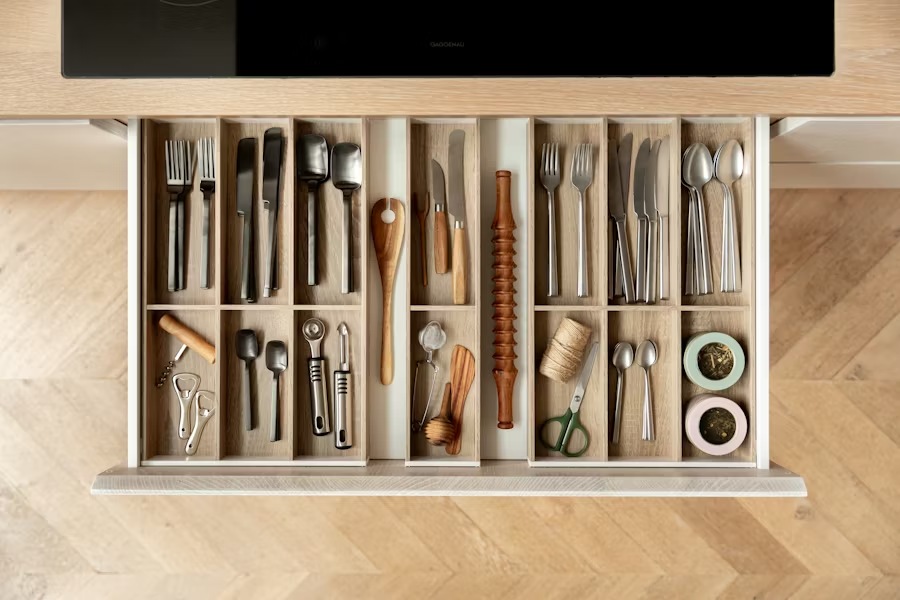
Your kitchen should support the way you live, cook, and entertain in Southwest Florida. Pull-out shelves bring easier access and better organization to deep cabinets without changing your entire layout.
At Ambiance Creations, we design storage solutions that improve daily function while maintaining a refined look. In Naples, Bonita Springs, and Marco Island homes, pull-out shelves help you maximize cabinet space with clean, efficient access.
This guide explains how pull-out shelves work, where they fit best, and which features matter most before installation. You’ll also learn how the right storage upgrades can improve comfort, convenience, and long-term value in your home.
Why Pull-Out Shelves Improve Everyday Cabinet Storage
A pull-out shelf is a flat tray or shallow drawer that slides on rails inside a cabinet. You pull it out to reach your items, then push it back in when you’re done.
Think of it as a cabinet organizer that brings the back of the shelf to you instead of forcing you to dig around for things.
How Sliding Access Improves Everyday Storage
Traditional shelves waste a lot of space. People shove items to the back, forget about them, or stack them so high that everything topples when they grab something.
Pull-out shelves solve that problem by letting you see everything on the tray at once. You reach in less, bend over less, and spend less time rearranging. That difference matters, especially when you’re cooking in a rush or unloading groceries.
Common Problems They Solve in Lower Cabinets
Lower cabinets often waste valuable space. Heavy pots get buried, small appliances disappear, and cleaning supplies end up hidden behind each other.
Pull-out organizers let you use the full depth of these cabinets without stacking things on top of each other. They’re especially helpful if you deal with back or knee discomfort because you no longer need to kneel and reach deep inside.
Where They Work Best Beyond the Kitchen
Kitchens get most of the attention, but pull-out shelves work well in many other rooms. Bathroom vanities, linen closets, laundry rooms, home offices, and even garage workbenches all benefit from sliding access.
Any cabinet that’s deep and difficult to see into is a good candidate. You can also retrofit closets with fixed shelves using pull-out trays for shoes, folded clothes, or accessories.
Types and Storage Configurations
Pull-out shelves come in a range of materials, heights, and layouts. What works in your kitchen may look completely different from what’s best for your pantry or bathroom.
Wood, Wire, and Solid-Bottom Designs
The three most common materials are solid wood, a wire basket, and a solid-bottom composite.
| Material | Best For | Notes |
| Solid wood (birch, maple) | Dishes, pantry items, visible shelves | Durable, attractive finish |
| Wire basket | Pots, pans, produce, and cleaning supplies | Allows airflow, easy to clean |
| Solid-bottom composite | Heavy appliances, liquids | Catches spills, sturdy base |
Wood pull-out shelves usually look the most refined and feel more like built-in cabinetry. Wire options often cost less and work well for heavier or bulkier items.
Single-Tier vs. Multi-Tier Options
A single-tier pull-out shelf uses one tray that slides out on its own rails. That’s the classic setup for base cabinet organizers.
Multi-tier options stack two or more trays vertically on one frame. These work well for tall pantry cabinets because they create several levels of sliding access without requiring separate slides for every shelf.
Tall Sides, Dividers, and Tray Storage
Side height makes a surprising difference. Standard pull-out shelves have sides around 2 to 3 inches tall, which works for most items.
Deep-sided versions at 5 inches or more keep bottles and tall containers from tipping. Some models go further with 10-inch sides for baking sheets, cutting boards, and trays.
Dividers help separate lids, pans, or spice jars. High-back designs with a 3-inch front and 6-inch back keep items from sliding off when you pull the shelf forward.
How to Choose the Right Fit
Choosing the right pull-out shelf starts with accurate measurements and a clear idea of what you plan to store. One incorrect number can prevent the shelf from fitting properly or cause the slides to bind.
Measuring Cabinet Width, Depth, and Clearance
Grab a tape measure and write down three dimensions inside your cabinet:
- Width: Measure the opening between the inside faces of the cabinet walls. For face-frame cabinets, also measure between the frame stiles.
- Depth: Measure from the inside of the face frame or cabinet front to the back wall.
- Clearance: Check for hinges, pipes, or anything else that could block the shelf from sliding freely.
Most manufacturers need the interior width and depth to size the shelf and slides correctly. Measure twice, write down your numbers, and double-check before you order.
Weight Capacity, Extension, and Soft-Close Features
Standard slides usually support 75 to 100 pounds per shelf. If you plan to store heavy cast iron or small appliances, look for slides rated at 100 pounds or more.
Full-extension slides let the tray come all the way out, so nothing stays hidden. Three-quarter extension slides cost less but leave a few inches of the tray inside.
Soft-close mechanisms stop the shelf from slamming shut. They increase the price slightly but reduce wear and noise over time.
Stock Sizes vs. Custom-Built Solutions
Stock pull-out shelves come in standard widths like 11, 14, 17, and 20 inches. They fit most common cabinet sizes and offer the quickest, most affordable option.
If your cabinets have unusual dimensions or you want a specific side height, custom-built shelves may justify the extra investment. Custom options can reach up to 51 inches wide and 30 inches deep on standard rails, or even deeper with specialized hardware.
Best Places to Use Them at Home
Pull-out shelves are not limited to kitchens. Any cabinet that forces you to reach, bend, or stack things awkwardly makes a strong candidate for sliding organizers.
Base Cabinets for Pots, Pans, and Small Appliances
Kitchen base cabinets are the classic location. Heavy pots, skillets, mixing bowls, and appliances such as stand mixers and blenders sit at a comfortable height on a pull-out tray.
You simply pull the shelf forward, grab what you need, and slide it back. You no longer have to unstack everything to reach the Dutch oven at the bottom.
Pantries for Food, Spices, and Bulk Items
Pantry cabinets are often deep and tall, which makes pull-out shelves a major improvement. You can dedicate trays to canned goods, snacks, baking supplies, or bulk items.
Narrow pull-out shelves create effective spice racks when mounted inside a pantry door or between wider shelves. Multi-tier setups let you fill a tall pantry from top to bottom with sliding trays.
Bathrooms, Laundry Rooms, and Garages
Bathroom vanity cabinets benefit from pull-out trays for toiletries, hair tools, and cleaning products. The plumbing underneath still leaves enough room for a shorter shelf on either side of the pipes.
In the laundry room, a pull-out shelf creates a flat surface for folding clothes or setting down a laundry basket at a comfortable height. Garage cabinets and workshop benches can use heavy-duty pull-out trays for tools, hardware bins, and paint supplies.
Installation, Cost, and Long-Term Value
Whether you install them yourself or hire a professional, pull-out shelves remain one of the more straightforward cabinet upgrades. Cost depends on materials, how many shelves you want, and who handles the installation.
DIY Installation vs. Professional Help
Most stock pull-out shelf kits include mounting brackets, slides, and screws. If you’re comfortable using a drill and a level, you can install a single shelf in about 30 minutes.
Here are the basic steps:
- Attach the slide rails to the cabinet sides or bottom.
- Mount the shelf tray onto the slides.
- Test the action and adjust as needed.
If your cabinets require modifications, such as removing a center stile, adding fillers, or working around plumbing, a professional can save you time and frustration. Many companies also offer measurement and installation services.
Typical Price Ranges and What Affects Cost
Here’s a general idea of what to expect:
| Option | Price Per Shelf (Installed) |
| Basic DIY kit (wire or composite) | $30 – $80 |
| Mid-range wood shelf (DIY) | $80 – $150 |
| Custom wood shelf (professionally installed) | $150 – $350 |
The biggest factors include material, slide quality, and whether the cabinet needs prep work. Soft-close hardware usually adds another $10 to $30 per shelf.
Outfitting an entire kitchen with pull-out shelves can range from a few hundred dollars for DIY installations to $2,000 or more for a fully custom setup installed by a professional.
Durability, Maintenance, and Everyday Convenience
Quality pull-out shelves last for years and require very little maintenance. You only need to wipe down wood or composite trays with a damp cloth.
Check occasionally to make sure the slide screws stay snug. If the rails begin to feel sticky, a small amount of lubricant usually solves the problem.
Organizers made from birch plywood and full-extension, ball-bearing slides can handle daily use without sagging or wobbling. You’ll notice the difference every time you cook, clean, or put groceries away.
For most homeowners, pull-out shelves remain one of the best small upgrades you can make to improve everyday storage.
Better Storage Starts With Smarter Cabinet Access
Well-designed pull-out shelves improve more than storage capacity. They create easier access, a cleaner organization, and a more comfortable experience every time you use your kitchen, pantry, or utility cabinets.
At Ambiance Creations, we coordinate thoughtful storage upgrades that align with the way you use your home every day. From custom cabinetry planning to white-glove installation support, we help Southwest Florida homeowners create spaces that feel refined and highly functional.
The right pull-out shelves can make your cabinets easier to use for years to come. Get in touch to explore storage solutions that improve convenience, accessibility, and long-term value in your home.
Frequently Asked Questions
Are pull-out shelves worth adding to existing kitchen cabinets in Southwest Florida?
Yes, pull-out shelves improve access, organization, and everyday convenience without requiring a full kitchen remodel. Many homeowners in Naples and Bonita Springs add them to existing cabinets to make deep storage areas easier to reach and more functional.
What cabinet sizes work best for pull-out shelves?
Most pull-out shelves fit standard base cabinets, pantry cabinets, and utility storage areas. Accurate interior measurements matter because hinges, plumbing, and cabinet frames can affect slide clearance and shelf width.
Can pull-out shelves support heavy cookware and small appliances?
Yes, many pull-out shelves use full-extension slides rated for 75 to 100 pounds or more. Heavy-duty options work well for stand mixers, cast iron cookware, blenders, and other larger kitchen items commonly stored in lower cabinets.
Do pull-out shelves work well in pantry cabinets?
Pull-out shelves work especially well in deep pantry cabinets because they improve visibility and reduce wasted space. Multi-tier configurations help organize canned goods, baking supplies, snacks, and bulk items without stacking products behind each other.
Are soft-close pull-out shelves better for daily use?
Soft-close pull-out shelves create smoother movement and reduce wear on cabinet hardware over time. Many homeowners prefer them because they minimize slamming, improve comfort, and create a more refined feel throughout the kitchen.
Can pull-out shelves be installed in bathrooms and laundry rooms?
Yes, pull-out shelves improve storage access in bathroom vanities, laundry rooms, mudrooms, and garage cabinets. They help organize cleaning supplies, toiletries, folded linens, and utility items while making deep cabinets easier to use.
Should I choose custom pull-out shelves or stock sizes?
Stock pull-out shelves work well for many standard cabinet openings and offer a quicker installation process. Custom options make more sense when your cabinets have unusual dimensions or when you want specialized storage features for long-term convenience.