
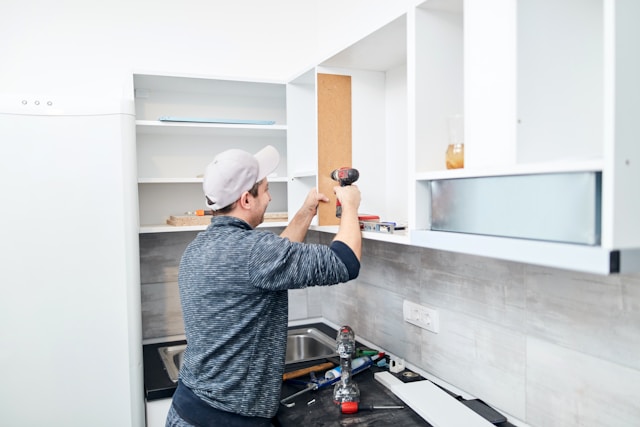
Have you ever wondered why some kitchen remodels seem to take weeks while others stretch on for months? Planning a remodel can feel exciting at first, but the timeline often becomes the biggest question homeowners face.
Every kitchen is different, and so is every project. The time it takes depends on your design goals, material choices, and how smoothly everything fits together. Knowing what to expect upfront makes the process less stressful and a lot more rewarding.
On average, a kitchen remodel takes between five to seven weeks once construction begins, but the total time can range from a few weeks to several months depending on your project’s size and details.
At Ambiance Creations, we make kitchen remodeling feel effortless by focusing on clear timelines, honest communication, and craftsmanship that lasts. With over 30 years of experience across Southwest Florida, we’ve mastered how to bring elegance, function, and precision together, without unnecessary delays.
In this blog, we will cover:
- How long a typical kitchen remodel takes from start to finish
- The major stages involved in your remodeling journey
- Practical tips to keep your timeline smooth and predictable
Let’s explore what really shapes your kitchen remodel timeline and how you can plan it right from the start.
Average timeline for a kitchen remodel
Your kitchen remodel timeline depends on how much work you want done, your chosen materials, and how smoothly the process goes. From simple updates to full renovations, planning and understanding each step can help you set realistic expectations.
Typical duration ranges
A small kitchen update, like replacing cabinet doors or appliances, can take 2 to 4 weeks. This is often enough time for material delivery and installation with minimal disruption.
If you’re doing a full remodel, changing the layout, plumbing, electrical, and finishes usually takes 8 to 12 weeks. More complex projects can stretch up to 6 months if you include custom details, unexpected issues, or wait times for special materials.
Remember that contractor schedules and supplier timelines can also cause delays. Ambiance Creations focuses on clear communication to keep projects on track and minimize surprise extensions.
Overview of timeline stages
A kitchen remodel generally follows these steps:
- Planning and design: This includes measuring, selecting materials, and finalizing layouts. Depending on choices and approvals, it can last 1 to 3 weeks.
- Ordering and delivery: Cabinets, appliances, and fixtures arrive during this time. Expect 2 to 6 weeks here, sometimes longer for custom orders.
- Demolition and prep work: The old kitchen is cleared out, and any repairs or structural changes are done. This takes about 1 week.
- Installation: Cabinets, countertops, plumbing, and electrical get installed. This part lasts 3 to 6 weeks, depending on your project size.
- Final touches and inspection: This includes trim work, painting, and cleanup. Usually completed in 1 week.
Factors that impact project length
Several factors can extend or shorten your remodel timeline:
- Project scope: More changes take more time. Minor updates might be done quickly, while full layout changes need extra days.
- Material choices: Custom or imported finishes may require longer lead times. Standard items often arrive faster.
- Contractor availability: Skilled tradespeople’s schedules impact how soon work begins and moves forward.
- Unexpected issues: Hidden water damage, electrical problems, or permit delays can add days or weeks.
- Design decisions: Early choices about appliances and layout speed up the process. Delays often happen when selections come late.
Step-by-Step Breakdown of a Kitchen Remodel
A kitchen remodel involves several key phases, each with its own tasks and timing. From planning your new space to putting on the final touches, understanding what happens at each step helps you prepare and keeps the project running smoothly.
Planning and Design Phase
This phase usually takes 2 to 8 weeks.
It starts with imagining how your kitchen should work and feel. You’ll meet with designers to decide on the layout, finishes, appliances, and lighting. Selecting appliances early is important because they affect the kitchen’s flow and space.
You’ll also choose cabinetry style, countertops, hardware, and fixtures, keeping functionality and style in mind. This is when your idea turns into detailed drawings and plans.
Demolition Process
Demolition usually takes 1 to 3 days, depending on how much needs to be removed. It involves clearing out old cabinetry, countertops, flooring, and sometimes walls. This phase can be dusty and noisy, but good contractors protect your home with covers and barriers.
It’s essential to prepare your household by setting up a temporary kitchen space. The demolition crew also makes sure utilities like plumbing and electrical lines are ready for the new installation. This clean slate is essential for a smooth build phase.
Construction and Installation
This phase lasts about 3 to 8 weeks, depending on your project’s size. It covers framing, electrical and plumbing work, drywall, and flooring installation.
Cabinetry and countertops go in next. This step takes precision to ensure everything fits perfectly and functions well. Appliances will follow, installed to work seamlessly with your design. Tradespeople work closely to keep things on schedule.
Finishing Touches and Cleanup
The last phase usually takes 1 to 2 weeks. It includes installing hardware, light fixtures, and final plumbing or electrical connections. Finishing touches like paint touch-ups and trim work happen here. A thorough cleanup makes your new kitchen ready to use.
Final inspections check that everything meets your expectations and functions adequately. Your remodel concludes with a walk-through to ensure your satisfaction and show you how to care for your new space.
Key Factors Influencing Kitchen Remodel Duration
Several important aspects shape the time it takes to remodel your kitchen. These include the size of your project, the time needed for materials and appliances to arrive, and any permits required before work can start. Understanding these will help you plan better and keep your timeline on track.
Size and Scope of the Project
The size of your kitchen plays a big role in how long a remodel takes.
A small kitchen with simple updates like new cabinets and counters might be finished in 6 to 8 weeks. But if you’re changing the layout or moving plumbing or electrical lines, the process can take 3 to 6 months. The scope matters more than just size.
For example, replacing cabinets and countertops is faster than a full gut renovation with new flooring, lighting, and appliances. The more complex the work, the more time is needed for demolition, installation, and inspections.
Material and Appliance Ordering
The timing of ordering materials and appliances often controls the pace of your remodel.
- Custom cabinets, specialty countertops, and designer fixtures can take several weeks to make and ship.
- Appliance availability, especially for high-end or eco-friendly models, can add extra wait time. It’s wise to select appliances early in the design process so the kitchen can be planned precisely around them.
- Delays in delivery can push back installation and final touches.
- Choosing durable, Florida-ready materials like stone surfaces and engineered cabinetry also means fewer surprises or replacements during your remodel, helping the project move smoothly.
Permit Requirements
Local permits may be required before starting your kitchen remodel, especially if you are moving plumbing, electrical, or walls. Getting permits involves submitting plans and waiting for approval, which can take anywhere from a few weeks to a couple of months, depending on your city or county.
Rules can vary in Southwest Florida communities like Bonita Springs or Naples, so working with a designer or contractor familiar with local codes can save time. At Ambiance Creations, we handle the permit process for you, ensuring all paperwork is in order and inspections are scheduled promptly. This helps avoid costly or time-consuming delays during construction.
Comparing Full and Partial Kitchen Remodels
Your kitchen remodel’s timeline depends heavily on whether you choose a full or partial remodel. Each option targets different parts of your kitchen and involves various amounts of work, affecting how long the project takes and what you can expect during construction.
Differences in Project Length
A full kitchen remodel involves tearing out most or all of the existing elements. This involves new cabinetry, floors, plumbing, lighting, appliances, and possibly changing the layout.
Expect this to take anywhere from two to six months, depending on complexity and any surprises. Partial remodels focus on specific updates, like replacing countertops or cabinets, without major construction. These projects typically last a few days to a few weeks.
They’re quicker because fewer trades are involved and less demolition is needed.
Common Partial Remodel Projects
Partial remodels usually involve cosmetic or functional upgrades. Popular updates include:
- Installing new countertops or backsplashes
- Replacing cabinet doors or hardware
- Upgrading sinks and faucets
- Adding fresh paint or flooring in small areas
These changes improve the look and usability but don’t alter the kitchen’s core setup. Because construction is limited, you’ll still use your kitchen with less disruption. Partial remodels are a good option if you want to refresh your space quickly without investing time or resources.
With expert guidance, you can target key features to enhance both style and function.
Managing Delays During a Kitchen Remodel
Delays can happen during your kitchen remodel for many reasons. Being aware of what may slow the process and having clear plans to stay on track can reduce frustration and keep your project moving smoothly.
Common Causes of Delay
Even with careful planning, a few things can slow down your kitchen remodel. Knowing these ahead of time helps you stay realistic and better prepared.
- Material shipping issues: Custom cabinets or specialty fixtures often take longer to arrive, especially in Southwest Florida, where certain materials need extra transport time.
- Contractor scheduling conflicts: If a plumber, electrician, or tile installer is booked, your timeline can stretch unexpectedly. Coordinating multiple trades is key to keeping things on track.
- Permit and inspection delays: Waiting for city approvals or inspection appointments can add days or weeks, but these steps are essential for safety and compliance.
- Late design changes: Making design or layout changes after work begins can push back schedules. Finalizing decisions early with your Ambiance Creations team helps prevent disruptions and keeps progress smooth.
Strategies to Stay on Schedule
To keep your remodel on time, select your appliances first. This ensures your design fits the sizes perfectly and avoids late changes. Ask your contractor for a clear, step-by-step schedule. Knowing essential dates for demolition, installation, and inspections helps you plan your days without surprises.
Stay in regular contact with your project manager. Quick decisions on minor questions can prevent waiting for approvals. Prepare for small delays by building some cushion into your timeline. A little extra time means less stress if a shipment or a trade runs late.
Tips to shorten kitchen remodel time
Planning ahead helps you avoid delays.
- Choose your appliances early because they affect your kitchen layout. At Ambiance Creations, this “appliances first” approach ensures everything fits perfectly without extra changes.
- Clear communication with your contractor keeps work moving smoothly. Regular updates let you address problems before they slow the project down.
- Choosing quality, ready-to-install materials can also speed things up. For example, selecting durable surfaces and cabinetry designed for Southwest Florida climates means fewer replacements or fixes later.
- Stay organized by grouping similar tasks together. Scheduling plumbing, electrical, and cabinetry work in sequence reduces downtime between steps. Your remodel moves faster when every trade is coordinated.
- Consider minor updates if you want quicker results. Cosmetic changes like painting or hardware swaps can refresh your kitchen within weeks instead of months.
| Tip | Why it helps |
|---|---|
| Choose appliances first | Avoid redesigns and fitting issues |
| Maintain clear communication | Catch issues early |
| Select durable, ready items | Reduce delays from replacements |
| Coordinate trades | Keep workflow smooth |
| Opt for minor updates | Finish faster with simpler changes |
When to Hire a Professional versus DIY
Several factors influence whether you should hire a professional or tackle a kitchen remodel yourself. If your schedule is tight or your remodel is complex, hiring a pro can save time and stress.
Our professionals have the tools, experience, and team to manage the process smoothly. DIY projects usually take longer because you must balance work with your regular routine. Simple updates like painting or cabinet refacing might fit your skill level. However, plumbing, electrical work, or structural changes are best left to experts for safety and code compliance.
Here’s a quick look at when to consider each approach:
| Hire a Professional | Try DIY |
|---|---|
| Tight timeline | Small cosmetic updates |
| Complex layouts or plumbing | Painting or minor cabinet changes |
| Need for permit and inspections | Installing hardware or fixtures |
| Desire for high-quality finish | Budgeting more time for tasks |
If you want a kitchen that’s warm, functional, and uniquely yours, trusting professionals can be a smart investment.
The Bottom Line
A kitchen remodel isn’t just about upgrading cabinets or countertops; it’s about creating a space that fits your life perfectly. Knowing how long each phase takes helps you plan better and enjoy the process instead of stressing over timelines. From choosing materials early to working with professionals who communicate clearly, every small step adds up to a smoother experience.
At Ambiance Creations, every kitchen is designed with care, precision, and the warmth that Southwest Florida homes deserve. Our team handles every detail—from concept to completion, so your remodel feels effortless and rewarding.
Book a complimentary consultation today and start turning your dream kitchen into a space you’ll love cooking, gathering, and living in every day.
Frequently Asked Questions
Wondering how to plan your remodel without losing weeks along the way? You’re not alone. Homeowners often have a few key questions before diving into a kitchen renovation. Here are some of the most common ones—answered simply and clearly.
How long does the planning phase usually take before construction starts?
Planning and design generally take 2 to 8 weeks, depending on how quickly you make design choices. Finalizing appliances, materials, and layouts early helps your contractor lock in schedules and start construction faster.
Can the weather in Southwest Florida affect my kitchen remodel timeline?
Yes. Humidity and seasonal storms can occasionally delay material deliveries or limit outdoor work access. Working with local experts like Ambiance Creations helps minimize weather-related issues since they plan timelines suited to coastal conditions.
What if I need to keep using my kitchen during the remodel?
Many homeowners set up a temporary kitchen area with a microwave, small fridge, and sink. Your remodel team can help you plan around key stages so daily routines aren’t completely disrupted.
Do permits add a lot of time to the overall project?
Not always, but they can. Permit approval may take a few weeks, depending on your county, especially if plumbing or electrical changes are involved. Partnering with professionals ensures paperwork is handled efficiently from the start.
How can I make sure my project doesn’t go over time?
Stay involved, approve designs quickly, and choose materials early. Clear communication with your contractor is the biggest time-saver. Regular check-ins help catch small issues before they cause bigger delays.