
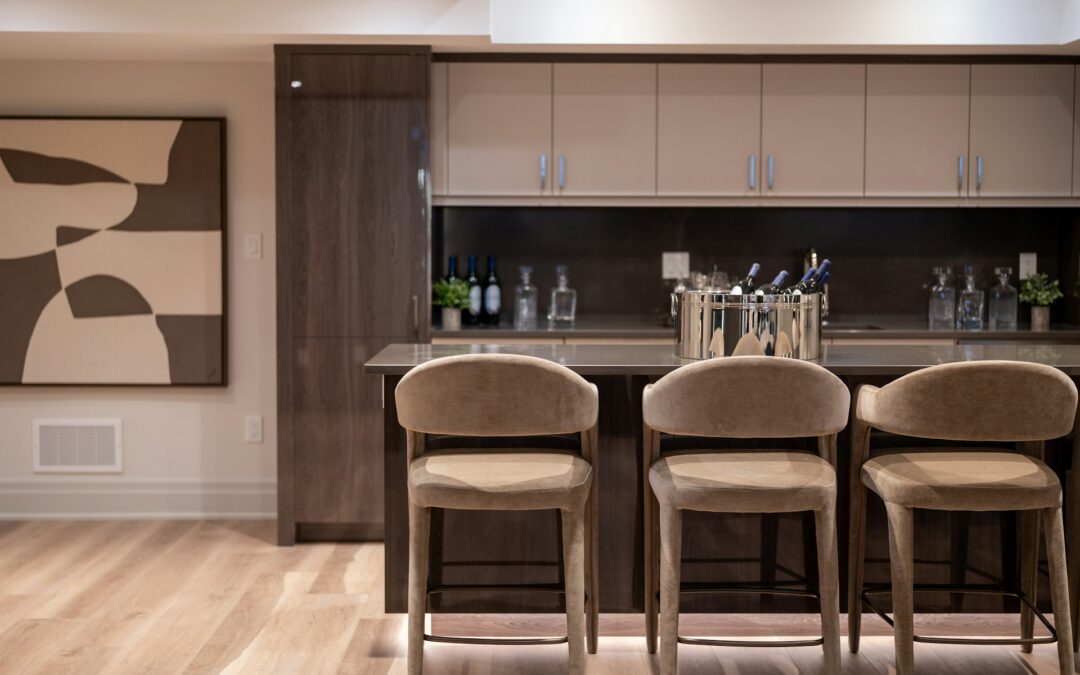
You want to entertain with ease, but your home lacks a natural gathering spot where drinks are poured, and guests feel comfortable settling in. A bar cart tucked in the corner feels temporary, and your kitchen counter gets cluttered every time company comes over.
That frustration is why many homeowners are exploring built-in bar ideas that actually fit their space and lifestyle. When you properly build a bar into your home, it changes how your entire living space feels and functions.
This guide covers everything from choosing the right location and selecting finishes to planning your budget and taking the idea outdoors. Ambiance Creations has helped many homeowners across Southwest Florida design bars that feel like they were always meant to be there.
Choosing The Right Spot At Home
The spot you choose for your built-in bar shapes everything else, including the size and the features you can include. Location also determines whether you need plumbing, how much electrical access you have available, and what kind of lighting will work best.
Living Room And Dining Room Placements
The living room is one of the most popular choices because it sits right in the center of your social space. Guests are already gathered there, so having a bar nearby feels natural and keeps the energy in one room.
A built-in along a single wall or tucked into a recessed section keeps the footprint tight without feeling cramped. The dining room works especially well if you regularly entertain around the table.
A built-in cocktail nook near the dining space means you can offer drinks during the meal without leaving the room. If you already have a shallow closet or an unused corner in your dining area, that space can often be converted with minimal structural work.
Both placements benefit from open concept remodeling, which is increasingly popular in interior design trends for Southwest Florida homes. Removing a non-load-bearing wall to open the living and dining areas can make either placement feel larger and more connected.
Hallway, Nook, And Under-Stair Setups
Hallways and awkward nooks often get overlooked, but they are surprisingly practical for a compact dry bar. A built-in unit that is 24 to 30 inches deep fits neatly into most hallway alcoves without blocking traffic flow.
Under-stair spaces are another smart option. The triangular footprint works well for a combination of shelving, a small counter, and a wine rack.
With the right trim and lighting, an under-stair bar looks completely custom rather than like a creative workaround. These tighter placements are best suited for dry bars, which do not require plumbing, making installation simpler and less expensive overall.
Open-Concept Layout Considerations
In an open-concept floor plan, your bar becomes a visual feature that guests see the moment they enter. That is a benefit, but it also means the design needs to complement the surrounding spaces rather than clash with them.
Matching the cabinet style and finish to your existing kitchen or living room millwork creates a seamless look. Think carefully about sightlines and traffic flow.
A bar island or peninsula in an open layout can double as a pass-through serving counter, making it much easier and more efficient to host large groups.
Design Details That Make It Feel Custom
The difference between a bar that looks store-bought and one that looks truly designed comes down to the details: the wood profiles, the lighting placement, and how the hardware ties it all together. Thoughtful choices in each of these areas are what give a built-in bar that finished, intentional feel.
Custom Cabinetry And Built-In Millwork
Custom wood cabinetry gives you full control over dimensions, finish, and layout. Unlike stock cabinets, custom millwork is built to fit your exact wall space, which eliminates gaps and makes the entire unit look like it grew out of the room.
A professional built-in cabinet installation ensures the framing is level, secure, and aligned with your trim and baseboards. Popular wood choices include white oak, walnut, and painted MDF for a more modern look.
The cabinet style, whether shaker, flat-front, or raised panel, should echo what is already in your home so the bar feels like a natural extension rather than an addition.
Lighting, Glass, And Display Features
Integrated lighting cabinets are one of the most effective ways to make a built-in bar feel inviting and expensive. Under-shelf LED strips highlight glassware and bottles from below, while interior cabinet lighting with glass-front doors creates a warm glow that draws the eye.
Glass-front upper cabinets are ideal for displaying stemware, while open shelving works well for a curated selection of bottles. A mirrored backsplash is another popular detail that reflects light, makes the space feel larger, and adds a polished, bar-like quality to the whole setup.
Consider adding a statement pendant or a row of small sconces above the counter for task lighting that also adds visual character.
Hardware And Finish Pairings
Cabinet hardware trends in 2026 lean toward warm metals like brushed brass, unlacquered brass, and aged bronze, especially in homes that embrace organic or transitional styles. For more contemporary spaces, matte black and brushed nickel remain clean and versatile choices.
The key is consistency. Matching your bar hardware to the fixtures and pulls elsewhere in the room, including door hinges and light fixtures, creates cohesion without requiring everything to match exactly.
A little contrast, as warm brass pulls on dark cabinetry, adds personality without feeling mismatched.
Smart Storage And Everyday Function
A well-designed bar is only as good as its storage. Getting the storage layout right from the start means less clutter and faster hosting.
Hidden storage solutions are especially valuable in open-concept homes where the bar is always visible.
Bottle, Glassware, And Appliance Storage
Plan your storage around three categories: bottles, glasses, and tools. Horizontal wine racks built into the lower cabinet section keep bottles properly stored and easily accessible.
A dedicated stemware section with hanging rails or open shelving lets you grab a glass quickly without digging through a cabinet. For appliances, a compact under-counter refrigerator or wine cooler is a standard addition that makes a big difference in function.
If space allows, a small ice maker keeps things moving during larger gatherings without constant trips to the kitchen freezer. Built-in drawers for cocktail tools, a utensil divider for jiggers and shakers, and a pull-out trash bin tucked behind a cabinet door round out a truly functional setup.
Hidden Features That Reduce Clutter
Hidden storage solutions are what separate a tidy, elegant bar from one that always looks a little messy. A few smart additions include:
- Concealed appliance panels that hide the wine fridge or dishwasher behind matching cabinet doors
- Pull-out recycling drawers that keep bottles and cans out of sight during gatherings
- Flip-up counter sections that cover prep areas when not in use
- Closed lower cabinets that store rarely used items while keeping the countertop clear
These features are easiest to plan during the initial design phase. Think through your workflow before the cabinets are built.
Kid-Friendly And Multi-Use Setups
Not every household wants a bar that serves only one purpose. If you have children at home, consider designing the lower cabinets for general storage or snack supplies, with the bar function reserved for the upper sections that are harder to reach.
A multi-use setup might pair a beverage station with a coffee bar on one end and a cocktail prep area on the other. This kind of layout serves the whole family during the week and transforms into a full hosting station when guests arrive.
Choosing a durable quartz countertop makes the surface practical for both everyday use and entertaining.
Looks To Match Different Home Styles
Your built-in bar should feel like it belongs to your home, not like something pulled from a showroom catalog that happened to fit. Whether your style leans coastal, traditional, or quietly luxurious, the right combination of materials and finishes brings it all together.
Interior design trends for Southwest Florida homes and home decor ideas for Florida homes point toward natural textures, warm neutrals, and light-filled spaces as the strongest direction right now.
Coastal And Contemporary Ideas
Coastal bars work beautifully with white or light gray cabinetry, natural wood accents, and open shelving that keeps the look airy. Light-toned countertops in quartz or honed limestone complement the palette without weighing it down.
For a contemporary coastal feel, combine flat-front cabinetry with a whitewashed oak finish and brushed nickel hardware. Keeping the color palette neutral with soft blues or greens as accent tones echoes the outdoor surroundings that make Florida living so appealing.
Warm Traditional And Transitional Looks
Transitional bars balance classic proportions with cleaner lines, making them versatile enough to work in a wide range of homes. Shaker-style cabinetry in a warm white, soft greige, or deep navy creates a grounded, timeless look.
Rich wood tones like walnut or cherry add warmth without feeling heavy. Paired with unlacquered brass hardware and a marble or quartz countertop with subtle veining, this style delivers the kind of elegant home interior ideas that hold up well over time without feeling trendy.
Luxury Finishes Without Overdesigning
Luxury does not have to mean excess. Some of the most impressive built-in bars use restraint: a single beautiful stone countertop, one great pendant light, and well-crafted cabinetry with a flawless painted finish.
A mirrored back panel, fluted glass cabinet doors, or a bold tile backsplash used with purpose are all ways to add a high-end touch without overcrowding the design. Keeping the color palette to two or three tones lets the quality of the materials speak for itself.
Budget, Remodeling, And Project Planning
Planning your built-in bar carefully before breaking ground saves time, money, and headaches down the line. Whether you are adding a bar to an existing room or rolling it into a larger renovation, the approach you take will affect both your timeline and your final cost.
When To Add A Bar During A Larger Renovation
The most cost-effective time to install a built-in bar is during a larger remodel. If you are already updating your kitchen, great rooms, or common areas, folding in bar work during that same project means contractors are already on-site.
Walls may already be open, and electrical and plumbing runs can be shared or extended more efficiently. Contractors working on a kitchen remodel estimate can often scope bar work at the same time, which saves on mobilization costs and reduces the number of separate trades you need to coordinate.
DIY Vs Professional Installation
A basic dry bar with pre-made cabinetry is within reach for a confident DIYer, especially if no plumbing is involved. However, custom millwork, built-in cabinet installation, electrical work for integrated lighting, and any plumbing for a wet bar require licensed professionals to meet local code requirements.
Contractors for bathroom renovations often have the same skill set as those needed for custom bar cabinetry, since both involve precise cabinet fitting, finish carpentry, and sometimes tile work. Getting at least two to three quotes helps you understand what the market rate looks like for your specific project scope.
Costs, Timelines, And Quote Expectations
Built-in bar costs vary widely based on size, materials, and whether plumbing is involved. Here is a general range to help set expectations:
| Project Type | Estimated Cost Range |
| Simple dry bar with stock cabinets | $1,500 to $4,000 |
| Custom built-in dry bar | $5,000 to $12,000 |
| Full wet bar with plumbing | $10,000 to $25,000+ |
| Outdoor built-in bar | $8,000 to $20,000+ |
Timelines typically run two to six weeks for interior work, depending on custom lead times. Getting a detailed written quote that breaks out labor, materials, and any permit costs gives you a clear picture before committing.
Extending The Idea To Outdoor Entertaining
A built-in bar does not have to stop at your back door. Outdoor kitchen design has evolved well past a basic grill station.
An outdoor bar built with the right materials can serve as the social centerpiece of your backyard for years. The key is planning for weather, maintenance, and how you use your outdoor space.
Weather-Ready Materials And Layouts
Materials matter significantly more outdoors. For countertops, porcelain, concrete, and sealed granite all hold up well against Florida’s heat and humidity without fading or staining.
Cabinet frames should be built from marine-grade stainless steel, teak, or aluminum rather than wood, which can warp or rot with repeated exposure to moisture. Keep the layout compact and logical, with the grill or prep zone separate from the bar zone so guests are not standing next to a hot surface while they wait for a drink.
A covered pergola or overhang above the bar area protects both your materials and your guests from afternoon sun and rain.
Small Backyard Bar Zones
Small outdoor kitchen ideas prove that you do not need a large yard to create an impressive bar zone. A six- to eight-foot run of outdoor cabinetry with a countertop, a small under-counter fridge, and a mounted bottle opener is enough to create a dedicated hosting area that feels purposeful and complete.
L-shaped layouts make efficient use of a corner. A bar-height counter along one side gives guests a place to lean and visit without pulling out a full seating arrangement.
Adding a string of weather-resistant pendant lights overhead immediately elevates the atmosphere at night.
High-End Outdoor Hosting Features
Luxury outdoor kitchen design often includes features that blend seamlessly into the landscape while offering serious function. Built-in kegerators, outdoor cocktail stations with running water, tile-clad bar fronts, and fire pit seating integrated into the bar surround are all features that elevate the design.
A pass-through window connecting your indoor kitchen to an outdoor bar counter is another feature that top-end outdoor kitchens use to make hosting large groups far easier. Custom stone or tile cladding on the bar exterior helps the structure feel like a permanent part of the landscape rather than an afterthought.
Frequently Asked Questions
How can I design a built-in bar that fits well in a small space?
Focus on a narrow footprint, ideally 18 to 24 inches deep, and use vertical space with tall upper cabinets or open shelving to maximize storage without expanding the floor area. A dry bar layout without plumbing is the easiest option for tight spots like hallways, nooks, or under-stair areas.
Keeping the design simple with two or three functional zones prevents the space from feeling overcrowded.
What are some modern built-in bar styles that work in a living room?
Flat-front cabinetry in a matte finish, open shelving with integrated lighting, and a stone or quartz countertop create a clean, modern look that works well in living rooms. A mirrored backsplash and glass-front upper cabinets add depth and visual interest without clutter.
Matching the bar cabinet color to your existing built-ins or wall color seamlessly ties the entire room together.
What storage features should a built-in bar cabinet include for bottles and glassware?
A well-designed bar cabinet should include horizontal wine racks in the lower section, hanging stemware rails or open shelves for glasses, and deep drawers for cocktail tools. A pull-out trash bin and a hidden recycling drawer keep the bar looking tidy during entertaining.
An under-counter wine cooler or beverage fridge is a practical addition that enhances functionality.
Which materials and finishes hold up best for a built-in bar wall?
Quartz and sealed granite are top choices for countertops because they resist stains, heat, and moisture without requiring much maintenance. For cabinetry, painted MDF with a hard lacquer finish or solid wood with a durable topcoat both hold up well in a bar setting.
Tile and mirrored backsplashes are easy to wipe clean and withstand splashes and humidity well.
What lighting ideas make a built-in bar feel more inviting and functional?
Under-shelf LED strip lighting is one of the most effective ways to highlight bottles and glassware while creating a warm ambient glow. Interior cabinet lighting behind glass-front doors adds depth and makes the whole unit feel polished.
Adding a pendant light or two above the counter provides focused task lighting for mixing drinks while also serving as a design feature.
How can I create a simple built-in bar that still looks custom and high-end?
Choose one or two quality materials and let them carry the design rather than adding too many competing elements. A single beautiful countertop material, cohesive hardware, and well-fitted cabinetry with clean painted edges create a custom look even on a modest budget.
Adding integrated lighting and a mirrored back panel are two finishing touches that punch well above their cost.
Turn Your Favorite Built-In Bar Ideas Into Reality
A thoughtfully designed built-in bar brings structure, warmth, and personality into the way you entertain at home. Tailored cabinetry, layered lighting, and purposeful storage create a feature that feels integrated into your everyday living spaces.
At Ambiance Creations, we design custom entertaining spaces that reflect how you gather in Southwest Florida homes. Your project benefits from refined material selections, coordinated craftsmanship, and layouts shaped around indoor-outdoor living.The right built-in bar should feel inviting during quiet evenings and seamless when hosting larger gatherings. See our showroom to explore elevated cabinetry, integrated lighting, and custom details designed for lasting function and style.