
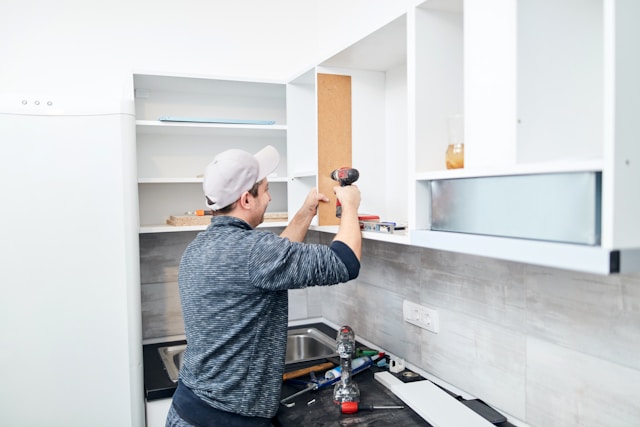
What makes a kitchen remodel truly successful: the design, the materials, or the expert who brings it all together?
The truth is, the right contractor can transform your ideas into a functional, stunning space you’ll enjoy every day.
Finding someone who understands your vision, values your time, and delivers reliable quality can feel like a big task. But with a little preparation and the right approach, the process becomes much simpler and far more rewarding.
At Ambiance Creations, we’ve helped homeowners across Southwest Florida craft timeless, elegant kitchens that reflect their lifestyles. Our work is guided by quality, integrity, functionality, and uniqueness, ensuring every remodel feels effortless from concept to completion.
In this blog, we will cover:
- How to define your remodel goals and expectations
- Tips to research, compare, and evaluate contractors effectively
- How to confidently finalize your choice for a smooth, stress-free remodel
Finding a contractor doesn’t have to feel like guesswork. With the right strategy and a trusted partner, your dream kitchen is closer than you think.
Understanding your kitchen remodel needs
Knowing exactly what you want from your kitchen remodel helps set clear goals and guide every decision. This includes figuring out how big the work will be, what you want to spend, and your preferred style. Taking time here makes hiring the right contractor simpler and your remodel smoother.
Assessing project scope
Start by listing the changes you want.
Is it a few new cabinets and updated countertops, or a full redesign with new layout and appliances?
Knowing if you’re replacing plumbing or electric work helps define the project’s size. Consider how much disruption you can handle during construction. Larger projects take longer and may require more temporary adjustments in your home. Write down your must-haves versus nice-to-haves to help contractors understand your priorities.
For example:
| Must-Haves | Nice-to-Haves |
|---|---|
| Increased storage | Custom lighting |
| Durable surfaces | Extra seating |
| Appliance upgrade | Decorative backsplash |
Clear scope means better estimates and less chance of surprises.
Setting a realistic investment
Before meeting contractors, decide what you’re comfortable investing. This will shape your expectations and guide your materials and design choices. An investment should cover materials, labor, permits, and unexpected costs. Discussing your range upfront helps contractors suggest options within your means.
Keep in mind that quality materials and craftsmanship may cost more but last longer and offer better function. Our team focus on durable, Florida-ready materials that balance beauty and longevity.
You can adjust your plan based on what fits your investment while still meeting key needs.
Identifying your design preferences
Think about the style and atmosphere you want in your kitchen.
Do you prefer modern clean lines, a warm coastal vibe, or a classic look?
Gather images or create a mood board of colors, cabinetry styles, countertop materials, and lighting that attract you. This visual helps your contractor and designer understand your taste.
Consider your lifestyle:
- Do you cook often or entertain guests?
- Need smart storage solutions?
- Prefer open layouts or cozy nooks?
Your preferences guide the design choices that fit your daily life and personal style, giving your kitchen a unique, inviting feel.
Researching Potential Contractors
Finding the right contractor means gathering solid information from trusted sources, checking reputable online listings, and reading honest feedback from past clients. These steps help you narrow down choices and find someone who fits your kitchen remodel goals.
Gathering Recommendations
Start by asking family, friends, and neighbors who have recently remodeled kitchens. Personal recommendations often lead to reliable contractors who deliver quality work.
When you get a name, ask about their experience, communication, and how closely the project matched expectations. Local professionals known in your Southwest Florida community can be a great fit.
You want contractors familiar with Florida’s climate and materials that withstand sun and humidity. Write down a few names and contact details. This list will be useful when you start interviewing and comparing styles, prices, and timelines.
Searching Online Directories
After collecting personal suggestions, explore online directories to find licensed and insured kitchen remodel contractors nearby. Websites like Angie’s List or Yelp offer local listings with filters for specialty, location, and years of experience.
Look for contractors with profiles that show past projects and certifications. Make sure the contractors you consider have a history of kitchen remodels, not just general home repairs. Check if they provide extra services like cabinetry installation, appliance coordination, or eco-friendly options.
Create a shortlist of three to five contractors. This focused approach saves time and gives you choices that meet your project’s size and style.
Checking Reviews and Ratings
Reviews give insight into how contractors handle timelines, budgets, and communication.
Pay attention to detailed feedback about punctuality, jobsite cleanliness, and final results. Look for consistent positive points, but also note how contractors respond to any complaints. Ratings above four stars are a good sign, but read through reviews to understand the full picture.
Check multiple platforms to avoid fake or overly polished testimonials. Don’t hesitate to ask contractors for references or a portfolio showing kitchens they’ve remodeled. Ambiance Creations, for instance, provides thorough client testimonials highlighting its commitment to quality and functionality—qualities you should look for in any contractor.
Evaluating Contractor Credentials
Choosing the right contractor means checking their background carefully. You want to be sure they have the proper licenses, insurance, and a history of good work. Also, look for special certifications that prove their skills and professionalism.
Verifying licenses and insurance
Licenses show a contractor is legally allowed to work in your area. Always ask to see a current state license. This protects you from unqualified workers. Insurance is just as important.
Confirm they carry both liability and workers’ compensation insurance. This covers any accidents or damage during the project. Without insurance, you may be responsible for costs if something goes wrong. Write down license numbers and call the local licensing board to verify.
Also, request proof of insurance, including policy dates and limits. A contractor with a proper license and insurance demonstrates a commitment to quality and professional standards. This step helps you avoid legal and financial risks.
Reviewing past projects
Seeing examples of previous kitchen remodels helps you judge experience and style.
Ask for photos or a portfolio showing completed jobs. Look for projects similar in size and scope to what you want. You can also ask for references and contact past clients about their experience.
Pay attention to details like craftsmanship and timeliness. Good contractors will gladly share portfolios and encourage you to visit completed projects if possible. This allows you to see the quality and performance of their work firsthand.
Assessing professional certifications
Certifications from industry groups show that a contractor stays updated on best practices and meets high standards.
Look for credentials from reputable associations like the National Association of Home Builders or kitchen design boards. These certifications mean the contractor values ongoing education and adheres to a code of ethics. Certified contractors often provide better warranty terms and superior craftsmanship.
Ask contractors about their training and certifications. A certified professional brings an extra level of trust and accountability to your kitchen remodel.
Interviewing and Shortlisting Contractors
Finding the right contractor means more than just checking names on a list. You must prepare questions that uncover skills and style, make initial calls to sense professionalism, and pay close attention to how well they communicate. These steps help narrow your choices to the best fit for your kitchen remodel.
Preparing Questions
Start by listing clear and specific questions that cover experience with kitchen remodels, timelines, and budget concerns. Include questions about how they handle unexpected issues and their work process.
Make sure to ask about their previous projects, references, and how they coordinate with other trades like electricians or plumbers. A good question list might include:
- Can you show examples of kitchens you’ve remodeled recently?
- How do you manage project delays or changes?
- What is your process for sourcing materials?
Writing down questions ensures you don’t forget essential points during interviews. This approach helps you spot a contractor who values quality and can deliver on your vision.
Conducting Initial Calls
Use initial calls to gauge a contractor’s availability and professionalism. Keep these conversations short but focused.
Confirm they have experience in kitchen remodels, especially in Southwest Florida, where work must hold up against heat and humidity. Ask if they’re willing to provide a thorough estimate and timeline.
Note how promptly they return your calls and how clearly they answer questions. First impressions here matter because they often reflect how they manage communication throughout the project.
Evaluating Communication Skills
Your contractor’s communication style affects the whole remodel experience. Pay attention to how clearly they explain processes and whether they listen well to your needs. Good communication includes timely updates and straightforward answers.
Check if they ask questions about your goals and preferences. If contractors seem vague or hard to reach, they may not be right for your project. Choose someone who matches your expectations and makes you feel confident in their work.
Requesting and Comparing Estimates
When planning your kitchen remodel, getting clear, detailed bids from contractors helps you understand what you’re paying for. Knowing how to read cost breakdowns and fairly compare proposals can save you stress and ensure your project matches your needs.
Requesting Detailed Bids
Ask each contractor for a detailed bid, not just a total price. This should list every part of your remodel: cabinetry, countertops, appliances, labor, and any extra fees.
A good bid clearly states the materials and brands proposed, timelines, and how changes will be handled. Detailed bids help you avoid surprises and make it easier to see what’s included.
For example, we provide bids that include everything from cabinetry to fixture coordination, so you know upfront what your investment covers. Make sure bids also mention warranties and cleanup responsibilities. This way, you’ll have a complete picture before you choose.
Understanding Cost Breakdown
Look closely at how the total price breaks down. Typical sections include:
- Materials (cabinets, counters, flooring)
- Labor (installation, painting, plumbing)
- Appliances (if included)
- Permits or disposal fees
- Contingency or allowance for unexpected costs
Knowing these parts lets you spot where a bid might be low or high. For instance, if one bid has cheaper cabinets but more labor costs, it could balance out.
If something feels unclear or missing, ask the contractor for an explanation. Clear cost breakdowns show the project’s true value and help you decide if each contractor offers fair, quality work.
Comparing Proposals Fairly
When comparing bids, don’t just pick the lowest price.
Look at the scope, quality of materials, timing, and the contractor’s reputation. A cheaper bid might skip details or use lower-quality finishes, leading to costly fixes later. Create a simple chart to compare:
| Bid Item | Contractor A | Contractor B | Contractor C |
|---|---|---|---|
| Cabinets | Semi-custom | Custom | Semi-custom |
| Countertops | Quartz | Granite | Quartz |
| Labor Cost | $8,000 | $6,500 | $7,200 |
| Appliances Included | No | Yes | No |
| Estimated Timeline | 6 weeks | 8 weeks | 6 weeks |
Also, read reviews and check past work. Ambiance Creations, for example, is known in Southwest Florida for delivering clean jobsites and respecting timelines. Fairly comparing bids like this ensures you find a contractor who balances quality, timing, and price.
Checking References and Visiting Completed Projects
Before choosing your kitchen remodel contractor, it’s essential to check references and see their past work. This helps ensure they deliver good quality, meet deadlines, and leave customers happy. Taking these steps gives you confidence in your choice.
Contacting previous clients
Reach out to past clients to hear about their experience. Ask clear questions like:
- Was the work completed on time?
- Did the contractor communicate well?
- Were they professional and tidy on-site?
- How did the final kitchen look compared to the original plan?
Past clients can share honest feedback about any problems, changes, or surprises that came up during the project. This insight helps you understand how the contractor handles challenges.
Inspecting the quality of work
Visiting completed projects is the best way to see the quality firsthand. Look closely for:
- Smooth finishes on cabinetry and countertops
- Consistent alignment of drawers and doors
- Clean tile work and grout lines
- Proper installation of appliances and fixtures
Ask the contractor if you can tour several homes they’ve remodeled, especially kitchens similar to your style. Pay attention to details that affect daily use, like storage accessibility and lighting.
Confirming timelines met
Timelines matter because you want your kitchen ready without long delays. When talking to references, confirm:
- Did the contractor finish by the agreed-upon completion date?
- Were any delays communicated early?
- How did they handle unexpected setbacks?
A contractor who sticks to their schedule respects your time and makes the remodel less stressful.
Finalizing the Contractor Selection
Once you have narrowed your choices, the final steps involve clear agreements and schedules. It’s important to understand contract details, agree on payment terms, and set a realistic timeline.
Reviewing Contracts Thoroughly
Before signing anything, carefully read every part of the contract. Look for specifics about the work scope, materials, and any included warranties. Ensure the contract clearly states who handles permits, inspections, and cleanup. Pay close attention to terms about changes or extra charges.
A good contract should explain how additional work is approved and billed. Make sure your contractor’s license and insurance details are included to protect against liability. Ask for explanations about anything unclear. This step ensures you and your contractor are on the same page.
Negotiating Payment Terms
Discuss how and when payments will be made.
A common approach is to make a deposit, followed by staged payments based on milestones or phase completion. Avoid paying the full amount upfront. Clarify what each payment covers, such as materials, labor, or permits.
Set terms for handling changes that might affect costs. Written agreements about payments help keep your investment safeguarded. Consider agreeing on a payment schedule that aligns with your cash flow and project progress.
Setting a Project Timeline
Work with your contractor to create a detailed timeline. It should include start and end dates, important milestones, and deadlines for decisions or material deliveries.
Be realistic about timing; factors like material availability or weather can cause delays. Ask how your contractor handles unforeseen issues or changes to the schedule. Make sure there’s time allocated for inspections and final walkthroughs.
A clear timeline promotes transparency and helps your kitchen remodel proceed with confidence.
Preparing for Your Kitchen Remodel
Getting ready for your kitchen remodel means clear communication and thoughtful planning. You’ll need to stay on top of scheduling, decisions, and how you’ll manage daily life during work.
Coordinating With Your Contractor
Start by setting regular check-ins with your contractor to discuss progress and any questions. Agree on a clear timeline with milestones for key stages like demolition, plumbing, and cabinet installation.
Keep a list of essential details handy, such as permits, material deliveries, and any adjustments to the plan. Make sure your contractor understands your style preferences and functional needs early on.
Tips:
- Confirm daily work hours to plan your day.
- Ask how they manage cleanup and protect your home.
- Share contact info for quick questions or emergencies.
Planning for Temporary Kitchen Solutions
Your kitchen may be unusable during parts of the remodel.
To avoid stress, plan where and how you’ll prepare meals. You might use a temporary setup in another room or rely on simple countertop appliances. Think about:
- Storing essentials in a nearby cabinet or shelf.
- Having a microwave, toaster oven, or slow cooker ready.
- Setting up a small fridge if needed.
If your remodel is lengthy, you might consider eating out more or preparing meals beforehand. Clear communication with your contractor will help you know exactly when your kitchen will be unavailable. Preparing this way helps keep your daily routine manageable while your dream kitchen comes to life.
Wrapping It Up
Finding the right contractor for your kitchen remodel isn’t just about skills, it’s about trust, communication, and shared vision. The right professional listens, plans carefully, and ensures every detail enhances your home’s comfort and beauty.
At Ambiance Creations, we take pride in transforming Southwest Florida kitchens into functional, elegant spaces that feel truly personal. From choosing materials to coordinating every stage of your project, our team handles it all with integrity and precision.
Your dream kitchen deserves expert hands and thoughtful execution. Contact Ambiance Creations today to schedule your consultation and turn your remodeling vision into reality.
Frequently Asked Questions
Choosing a kitchen remodel contractor can feel like a big decision, and it’s normal to have a few questions before you commit. Here are some of the most common questions homeowners ask when planning a remodel, along with quick, insightful answers to guide you.
How long does a typical kitchen remodel take from start to finish?
Most kitchen remodels take between 6 to 12 weeks depending on scope, material availability, and contractor scheduling. Larger or custom projects may take longer, especially if plumbing or electrical updates are needed. Always confirm your contractor’s estimated timeline upfront.
How can I tell if a contractor is experienced in kitchen remodels?
Ask for before-and-after photos of past kitchens they’ve worked on and request client references. Experienced contractors will gladly share portfolios and examples that highlight craftsmanship, attention to detail, and on-time completion.
Should I buy materials myself or let the contractor handle it?
Letting your contractor manage material purchases ensures correct measurements, compatibility, and warranty protection. However, if you have a specific brand or supplier in mind, discuss it early to align on design, cost, and delivery timing.
What red flags should I watch for when hiring a contractor?
Be cautious of contractors who avoid written contracts, request full payment upfront, or provide vague estimates. A trustworthy professional offers clear communication, verified credentials, and a structured payment schedule tied to project milestones.
How do I avoid delays during my kitchen remodel?
Finalize your design choices before work begins, confirm material availability, and stay in touch with your contractor through regular updates. Clear decisions and timely feedback help prevent interruptions and keep your project on schedule.
Do contractors help with permits and inspections?
Yes, licensed contractors usually handle permits and schedule necessary inspections. Confirm this in your contract to avoid delays or compliance issues later. A professional team ensures your remodel meets all local building codes and standards.